Apply for Loan EMI Calculator
Give us a Missed Call Pay EMI

Secrets to Affordable Homes: Flat Finance under PMAY

Affordable Flats Finance Under PMAY: A Pathway to Affordable Housing

The Pradhan Mantri Awas Yojana (PMAY) has proven to be a game-changer for millions seeking affordable housing in India. With the growing demand for budget-friendly flats, PMAY offers a crucial financial lifeline. It significantly makes homeownership accessible to low- and middle-income families. Through affordable flats finance under PMAY, eligible buyers can benefit from financial assistance and own homes without the heavy burden of traditional loan repayment terms.

Pradhan Mantri Awas Yojana (PMAY): Overview

PMAY is a government initiative designed to provide affordable housing to the urban and rural poor. This scheme offers subsidies on home loans for individuals purchasing homes under its guidelines. PMAY financing thus plays a pivotal role in making homeownership more accessible. By offering reduced interest rates and providing financial support to lower-income groups, PMAY alleviates the financial strain that often comes with buying a home.

PMAY Categories
The scheme is divided into two primary categories, each designed to cater to different needs:

PMAY-Urban (PMAY-U): This category is aimed at residents of urban areas, focusing on economically weaker sections (EWS), lower-income groups (LIG), and middle-income groups (MIG). By doing so, it ensures that urban populations can access affordable housing options.

PMAY-Gramin (PMAY-G): Specifically targeting rural families, this category provides financial assistance for the construction or improvement of homes. As a result, it helps rural families build or enhance their homes, thus improving their living standards.

Both categories work toward offering financial relief by subsidizing home loan rates and enabling individuals to purchase flats within their budget. Consequently, these categories bridge the gap between affordability and homeownership, providing an invaluable opportunity for those in need.

Discover More: PMAY

How Does Affordable Flats Finance Work Under PMAY?

Affordable flats finance under PMAY makes homeownership more accessible with reduced interest rates and government subsidies. This initiative helps homebuyers repay loans with lower EMIs over longer periods. It makes managing finances much easier. Let’s explore how this process works:

1. Subsidy on Home Loan Interest Rates
PMAY offers subsidies on home loan interest rates, ranging from 3% to 6.5%. The subsidy depends on the applicant’s income and category. As a result, this subsidy significantly reduces the financial burden, making the loan more affordable for low- and middle-income families. This also makes repaying the loan much easier.

2. Eligibility Criteria
To benefit from affordable flats finance under PMAY, applicants must meet certain eligibility criteria:

Income Limit: Applicants must belong to the EWS (Economically Weaker Section), LIG (Lower Income Group), or MIG (Middle Income Group). This ensures the scheme targets those in need.

Property Size: Flats under PMAY have carpet area limits. EWS flats are limited to 30 square meters, LIG flats to 60 square meters, and MIG flats up to 160 square meters. This keeps flats affordable for different income groups.

First-Time Homebuyers: The scheme is available mainly to first-time homebuyers. It gives them a chance to purchase their first home under favorable conditions.

Affordable flats finance under PMAY offers several key advantages:

Reduced Interest Rates: The subsidy on interest rates ranges from 3% to 6.5%, lowering the overall borrowing cost and making home loans more affordable over time.

Extended Loan Tenure: Longer repayment periods reduce the monthly EMI, making it easier for borrowers to manage their finances and reducing the financial strain.

Low EMIs: The PMAY subsidy lowers the EMIs, ensuring that homebuyers have more manageable monthly payments, reducing overall financial stress.

Faster Approvals: With simplified documentation and a streamlined process, loan approvals are faster, allowing buyers to move forward with their home purchase without delays.

As a result, this initiative helps to make homeownership moore accesible and affordable for low- and middle- income families.

Why Choose Vridhi Home Finance for Affordable Flats?

Vridhi Home Finance offers a variety of PMAY-compliant loans, ensuring you fully benefit from the government’s affordable housing scheme. Whether you’re purchasing your first home or upgrading, we provide competitive interest rates, efficient processing, and flexible repayment terms, all designed to simplify your journey to homeownership.

  • Hassle-Free Application
    We streamline the PMAY loan application process by minimizing paperwork and providing expert assistance at every step. As a result, you can expect a smooth and hassle-free experience.
  • Personalized Loan Solutions
    At Vridhi, we understand that each borrower’s financial situation is unique. Therefore, we offer tailored loan options that align with your specific needs. With our expert guidance, we ensure you secure the most suitable home loan for your circumstances.
  • Quick Approval & Disbursement
    Furthermore, Vridhi Home Finance guarantees fast approval and quick disbursements. This enables you to move forward with your home purchase without unnecessary delays, helping you achieve your homeownership goals efficiently.

Discover More: Home Loan without ITR

Conclusion

PMAY provides an excellent opportunity for low- and middle-income families to own a home with reduced financial strain. Through government subsidies and extended loan tenures, it makes homeownership more accessible than ever before. Moreover, Vridhi Home Finance simplifies the entire process by offering personalized solutions, minimal paperwork, and quick approvals, ensuring that you can fully benefit from PMAY. Additionally, Vridhi Home Finance offers a wide range of home loan options, including PMAY-compliant loans, to suit your specific needs. With expert guidance, fast processing, and tailored solutions, we make owning your dream home not only easy but also affordable. Therefore, with Vridhi, you can confidently move forward towards homeownership.

Affordable Housing Loans for Low-Income Families – Apply Now

How to Apply for Low-Income Housing Loans in India

Owning a home is a dream for many, but for low-income families in India, it often feels out of reach. However, low-income housing loans make this dream attainable. These loans, offered by banks, financial institutions, and government-backed schemes, are tailored to help individuals from economically weaker sections (EWS) and lower-income groups (LIG). Here’s a detailed guide on how to apply for low-income housing loans in India.

What Are Low-Income Housing Loans?

Low-income housing loans are specifically designed financial products aimed at assisting individuals with limited financial means. They make homeownership accessible by offering:

  • Lower interest rates: Affordable monthly EMIs ensure minimal financial strain.
  • Flexible repayment terms: Loan tenures are customized to suit the borrower’s repayment capacity.
  • Minimal eligibility requirements: Lenders often prioritize affordability over stringent credit checks.

Discover More : Affordable Housing Challenges in 2025

Low-Income Housing Loan Options for Self-Employed

Eligibility Criteria for Low-Income Housing Loans

Before applying for a low-income housing loan, it’s essential to ensure that you meet the eligibility requirements. While criteria may vary between lenders, here are some common factors:

Income Requirements

  • Your annual household income should align with the limits set for EWS or LIG categories.
  • EWS typically includes households with an income of up to ₹3,00,000 annually, while LIG may cover those earning between ₹3,00,001 and ₹6,00,000.

Age Limit

  • Most lenders require borrowers to be at least 18 years old and not older than 65 at the time of loan maturity.

Employment Status

  • A stable source of income is crucial. Whether you are salaried or self-employed, you must prove your ability to repay the loan.

Credit Score

  • A decent credit score improves your loan eligibility. However, many lenders consider first-time borrowers under such schemes.

Property Requirements

  • The property you wish to purchase must meet legal and technical compliance standards set by the lender.

How to Apply for Low-Income Housing Loans

Applying for a low-income housing loan is a simple yet structured process. Follow these steps to streamline your application:

Step 1: Research Suitable Lenders

Start by identifying banks and financial institutions offering low-income housing loans. Compare their interest rates, processing fees, and repayment terms. Many lenders also have exclusive partnerships with government housing schemes, making them a viable choice.

Step 2: Check Your Eligibility

Once you’ve shortlisted lenders, assess their specific eligibility criteria. Use online tools like loan eligibility calculators to understand how much you can borrow.

Step 3: Gather Required Documents

Having the necessary documents ready can significantly speed up the process. Commonly required documents include:

  1. Identity proof: Aadhar Card, PAN Card, or Passport.
  2. Address proof: Utility bills, rental agreements, or voter ID.
  3. Income proof: Salary slips, bank statements, or income tax returns.
  4. Property documents: Sale agreement, property title, or ownership papers.
  5. Photographs: Recent passport-sized photos of all applicants.

Step 4: Fill Out the Loan Application

  • Visit the lender’s branch or apply online through their website.
  • Accurately fill in details such as personal information, employment status, and property details.
  • Attach all supporting documents before submitting the form.

Step 5: Verification and Processing

Once the application is submitted, the lender initiates the verification process. This involves:

  • Document scrutiny: The lender validates your identity, income, and property papers.
  • Credit assessment: Your creditworthiness is evaluated based on your credit history and repayment capability.

Step 6: Approval and Disbursement

If your application meets the lender’s criteria, the loan gets approved. You’ll receive a formal sanction letter specifying the loan amount, tenure, and interest rate. After signing the agreement, the loan amount is disbursed to your account or directly to the seller/developer.

Explore More : Subsidized Housing Loans for Women

Documents Needed for Low-Income Housing Loan Applications

Government Schemes Supporting Low-Income Housing Loans

Several government schemes in India aim to promote affordable housing. Here are the most prominent ones:

Pradhan Mantri Awas Yojana (PMAY)

  • Launched in 2015, PMAY is a flagship housing scheme that offers interest subsidies through the Credit Linked Subsidy Scheme (CLSS).
  • Beneficiaries from EWS and LIG categories can avail of subsidies on home loan interest rates, making EMIs significantly affordable.

Housing for All Initiative

  • This initiative focuses on providing housing to all citizens by 2024.
  • It encourages developers to build affordable housing units and provides financial support to low-income families.

State-Level Schemes

  • Many states have their own affordable housing schemes that complement PMAY.
  • These schemes often provide additional financial assistance or subsidies.

Benefits of Low-Income Housing Loans

Low-income housing loans come with several advantages that make them a preferred choice for first-time homebuyers:

  • Affordable EMIs: Lower interest rates and subsidies reduce the monthly repayment burden.
  • Flexible Repayment Tenures: Borrowers can choose longer tenures to make EMIs manageable.
  • Minimal Documentation: The streamlined application process ensures faster approvals.
  • Government Support: Subsidies and schemes like PMAY make housing loans even more accessible.

Tips for a Successful Application

  1. Improve Your Credit Score: A credit score above 650 can enhance your loan approval chances.
  2. Maintain Transparency: Accurately declare your income and financial commitments.
  3. Choose the Right Lender: Research and compare lenders for the best terms.
  4. Opt for Government Schemes: Apply under PMAY or state-specific schemes for additional benefits.
  5. Ensure Property Compliance: Verify that the property meets all legal and technical requirements.

Conclusion

Low-income housing loans have opened the door to homeownership for millions of families in India. By understanding the process and taking advantage of government schemes, you can secure a loan that fits your needs. Proper research, documentation, and financial planning are key to making your dream home a reality.

Vridhi Home Finance provides a variety of home loans tailored to suit your housing needs. Let us guide you in taking the first step towards your dream home. Apply today!

5 Rural Housing Finance Scheme in Karnataka: To build your Dream Home

Rural Housing Finance in Karnataka: Achieve Your Dream Today!

Rural housing loan in Karnataka plays a crucial role in bridging the housing gap in the state’s non-urban areas. With an increasing focus on rural development, numerous housing schemes and loan options are now accessible to residents, enabling them to construct or buy homes with ease. In this context, this guide explores how rural housing finance supports communities in Karnataka and provides insights into the best ways to navigate this journey.

Understanding Rural Housing Needs in Karnataka

Karnataka’s rural areas account for a significant portion of the state’s population, highlighting the critical need for affordable housing solutions. The challenges faced in these regions include limited financial resources, lack of infrastructure, and high construction costs. As a result, addressing these issues, both the government and private lenders have introduced various schemes aimed at making housing more accessible. In particular, rural housing finance caters to diverse needs, such as constructing new homes, repairing existing structures, or purchasing affordable housing units. Consequently, these initiatives are designed to alleviate the financial strain and improve the quality of life for rural residents.

Read More: Rural Housing Finance

Key Features of Rural Housing Loans in Karnataka

  • Customized Loan Options for Rural Communities
    Housing finance tailored to rural areas often comes with lower interest rates and longer repayment tenures, ensuring affordability. Additionally, loans are designed to accommodate smaller loan amounts, making them more accessible and suitable for the financial needs of rural families.
  • Government-Backed Subsidy Schemes
    Many programs are available to offer interest rate subsidies, significantly reducing the financial burden for eligible households. As a result, Karnataka’s rural population can avail themselves of these benefits when constructing or upgrading homes. This initiative plays a pivotal role in making homeownership more attainable.
  • Minimal Documentation Requirements
    Given the unique challenges faced by rural borrowers, lenders often reduce the documentation process. Typically, basic proof of identity, residence, and income is sufficient to apply for these loans. This streamlined process makes it easier for rural residents to access funding without bureaucratic hurdles.
  • Flexible Eligibility Criteria
    Rural housing finance is structured to include economically weaker sections (EWS) and low-income groups (LIG). This inclusivity ensures that even households with limited financial resources can access credit facilities. Consequently, a large number of people can benefit from these programs and improve their living conditions.

How to Choose the Right Housing Finance Provider

Selecting the right lender is crucial for a smooth and stress-free financing experience. To help you make an informed decision, here are some essential factors to consider:

  • Compare Interest Rates
    Firstly, rural housing loans often come with reduced interest rates compared to urban housing loans. Therefore, it is important to compare rates from different lenders. By doing so, you can ensure you secure the best possible deal, which ultimately helps you save money over the loan’s lifetime.
  • Check Repayment Flexibility
    Next, opt for a provider that offers flexible repayment options. For instance, some lenders allow you to tailor your repayment schedule according to your income flow. This flexibility can make your repayment process much easier and more manageable.
  • Seek Transparency
    Additionally, make sure the lender clearly communicates all charges involved in the loan. This includes processing fees, administrative charges, and any prepayment penalties. Transparent communication helps prevent surprises and ensures you fully understand the terms and conditions before committing.

Steps to Apply for Rural Housing Finance

Once you’ve selected the right housing finance provider, it’s time to move forward with the application process. Here are the key steps involved:

  • Determine Loan Amount
    First and foremost, assess your housing needs. Take into account the total costs, including the land, construction expenses, and any additional charges like legal fees or material costs. This will help you calculate the loan amount required.
  • Evaluate Eligibility
    Afterward, check the eligibility criteria for both private and government-backed schemes. Different lenders and programs may have varying requirements, so reviewing these beforehand can save you time and effort during the application process.
  • Prepare Documents
    Furthermore, gather all essential documents such as proof of identity, income certificates, and property details. Having everything in order will speed up the loan application process and reduce the chances of delays.
  • Submit Application
    Once you’ve collected your documents, choose your preferred lender and submit the application. Be sure to provide all the required paperwork to avoid unnecessary complications.
  • Loan Disbursement
    Finally, once your loan is approved, the disbursed amount will be transferred to you, allowing you to begin your home construction or purchase. The entire process may vary slightly depending on the lender, but this general flow will help you stay on track.

Read More:  MSME Loan

Popular Housing Finance Schemes for Rural Karnataka

  • Basava Vasathi Yojana
    Offered by the Karnataka government, this scheme provides financial aid to families in rural areas for constructing houses. It specifically targets Below Poverty Line (BPL) households, offering funds to ensure basic housing for all.
  • Pradhan Mantri Awas Yojana (PMAY) – Gramin
    PMAY-Gramin focuses on providing pucca (permanent) houses to rural families. Beneficiaries receive monetary assistance and interest subsidies, making homeownership more feasible.
  • Rajiv Gandhi Rural Housing Corporation Limited (RGRHCL)
    The RGRHCL oversees various housing initiatives, including loans for rural residents under government-backed schemes. Programs such as the Dr. B.R. Ambedkar Nivas Yojana provide targeted benefits to marginalized communities.
  • Namma Mane Scheme
    This scheme provides financial assistance to low-income rural families for constructing or renovating homes. It offers special interest rates and subsidies to improve housing conditions in rural areas.
  • Ashraya Housing Scheme
    Targeting economically weaker sections, including scheduled castes and tribes, this scheme helps families build permanent homes. It focuses on improving the living standards of marginalized communities in rural Karnataka.

These are the 5 housing finance schemes are crucial in promoting homeownership and improving living standards in rural Karnataka. By offering financial support, subsidies, and reduced interest rates, they enable families from economically weaker sections to build or renovate homes.

Conclusion

Rural housing finance in Karnataka has significantly transformed how residents in non-urban areas approach homeownership. By offering tailored solutions, competitive interest rates, and government-backed subsidies, these loan programs effectively bridge the gap between aspiration and affordability. As a result, whether you’re looking to build a new home or upgrade an existing one, these financial tools provide a secure, manageable, and hassle-free experience. Furthermore, for those seeking personalized guidance and expert assistance, Vridhi Home Finance stands out by offering a diverse range of home loan options specifically designed to address rural housing needs.  Therefore, choosing Vridhi Home Finance guarantees a seamless experience that turns your housing dreams into reality.


Rural Housing Initiatives in Telangana

Rural Housing Initiatives in Telangana: Transforming Villages Through Financial Inclusion

Access to affordable housing is a significant priority for the rural population in Telangana. The state has introduced various housing finance schemes to empower families, especially those from economically weaker sections, to realize their dream of owning a home. These initiatives contribute not only to improving living standards but also to fostering economic growth in rural areas.

Importance of Rural Housing Finance in Telangana
Housing finance in rural Telangana plays a crucial role in addressing the challenges of shelter and housing accessibility. With a focus on providing affordable solutions, the schemes ensure that families with limited income can secure proper homes. This has led to a remarkable improvement in rural housing infrastructure across the state.

Key Benefits of Rural Housing Initatives

Improved Living Standards: Families are provided with better housing facilities, which directly enhances their quality of life.
Financial Empowerment: Subsidized loans and affordable interest rates make it easier for rural residents to access funding.
Economic Growth: The housing sector contributes significantly to local job creation and boosts related industries.
Housing Finance Schemes in Telangana.

Read More: Rural Housing Finance in Andhra Pradesh

Housing Finance Schemes in Telangana

The government of Telangana has implemented various schemes to assist rural families in acquiring affordable housing. Below is a comparison of some key features of these schemes:

Scheme Name Eligibility Key Benefits
Double Bedroom Housing Economically weaker families Free housing for eligible rural families
Pradhan Mantri Awas Yojana Families with annual income < ₹3L Subsidized loans up to ₹6L, reduced EMI
State Housing Loans Rural population of Telangana Low-interest loans and extended repayment plans

These initiatives cater to diverse needs, ensuring comprehensive coverage for all segments of the rural population.

Challenges in Rural Housing Finance

Although rural housing finance has seen remarkable progress, several challenges still hinder its full potential. Addressing these obstacles is crucial to ensure that every rural family in Telangana can access affordable housing.

Lack of Awareness: A significant number of rural families remain unaware of the housing finance schemes and their associated benefits. As a result, they miss out on opportunities to secure funding for a home.
Documentation Hurdles: The absence of proper documents, such as income proof or property papers, often delays or even prevents loan approvals. This makes it difficult for many eligible families to benefit from the schemes.
Underdeveloped Infrastructure: In remote areas, the lack of adequate housing facilities and support services continues to pose a challenge. Furthermore, limited access to financial institutions exacerbates the issue.

To overcome these barriers, efforts are being directed toward conducting widespread awareness campaigns, simplifying documentation requirements, and improving infrastructure in underserved areas. These measures are essential for ensuring that rural housing finance can reach every corner of the state.

Read More: Rural Housing Finance in Karnataka

The Role of Private Financial Institutions

While government schemes provide a strong foundation, private financial institutions are playing a pivotal role in expanding access to rural housing finance. Their involvement is bridging the gaps left by public programs, offering a wider range of solutions that cater to individual needs.

Why Choose Private Housing Finance?

Private lenders offer several advantages that make them a valuable alternative to government programs:

Flexible Loan Terms: Borrowers can adjust repayment schedules to suit their financial capacity, making it easier to manage their loans.
Faster Application Process: Unlike traditional government schemes, private institutions provide quicker approvals, ensuring timely access to funds.
Diverse Loan Options: With a variety of plans available, private players cater to different income levels and specific housing needs, whether for construction, renovation, or purchasing a home.

Additionally, private financial institutions often provide personalized customer support, which helps borrowers navigate the process with ease. By complementing government efforts, these organizations ensure that more rural families in Telangana can access housing finance.

Conclusion

Rural housing initiatives in Telangana is undoubtedly playing a transformative role in making homeownership a reality for thousands of families. Moreover, by uplifting living standards, generating economic opportunities, and addressing housing challenges, these initiatives are creating a brighter future for the state’s rural population. In addition to government efforts, the support of private financial institutions is bringing Telangana closer to its goal of housing for all.

For instance, Vridhi Home Finance provides a comprehensive range of home loans tailored to your unique needs. Whether you’re planning to purchase, construct, or renovate a home, Vridhi Home Finance offers affordable and flexible solutions to help you achieve your housing dreams.

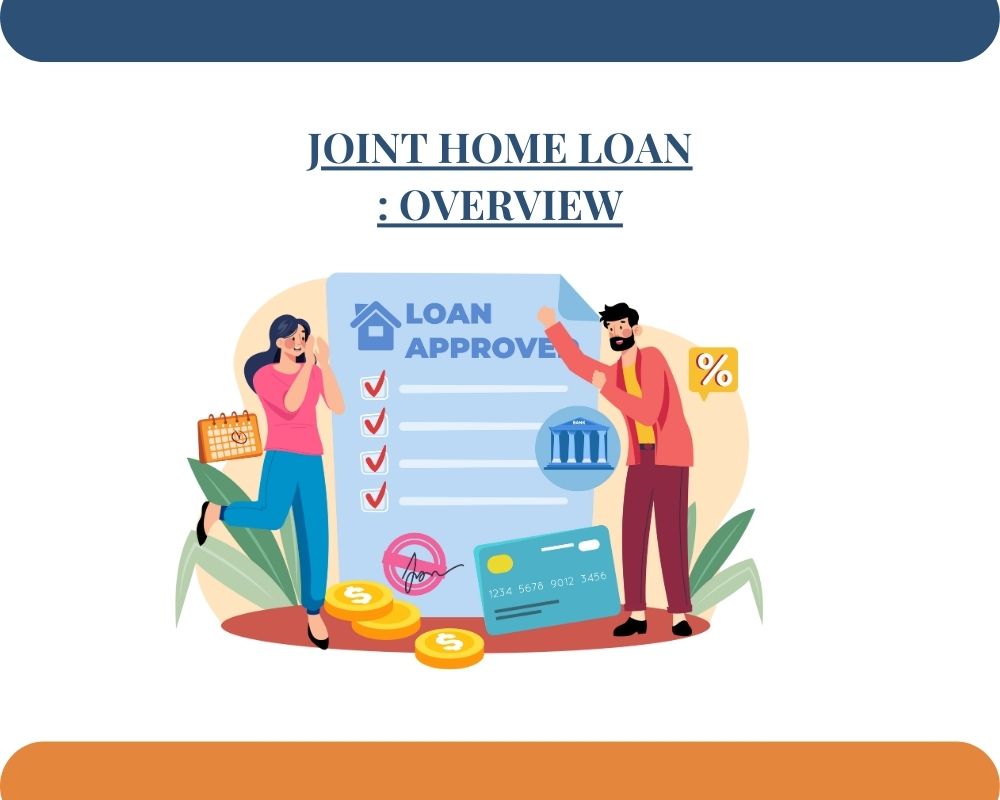
Joint Home Loan: Shared Ownership & Financial Responsibility

Joint Home Loan Benefits: Unlocking Financial Ease

A joint home loan offers a host of advantages, making it an attractive option for families, couples, or business partners looking to share the financial burden of purchasing or constructing a home. By opting for this arrangement, borrowers not only divide the responsibilities but also unlock various monetary and tax benefits. This article delves into the primary benefits of joint home loans, ensuring you make an informed decision.

What Is a Joint Home Loan?

Two or more individuals take a joint home loan to buy or construct a residential property. They share equal responsibility for repaying the loan. Family members, such as spouses, parents, or siblings, typically avail joint home loans and share ownership of the property.

Read More : Unlock Home Loan for Govt Employees.

Key Criteria for Joint Home Loan
       Key Criteria for Joint Home Loan

Benefits of a Joint Home Loan

1. Higher Loan Eligibility

One of the most significant advantages of a joint home loan is increased loan eligibility. Combining incomes allows lenders to offer a higher loan amount, enabling you to purchase a more desirable property. For example:

Applicant Type Annual Income Individual Loan Eligibility Joint Loan Eligibility
Single Applicant ₹6,00,000 ₹30,00,000 —
Joint Applicants (Spouse) ₹6,00,000 + ₹4,00,000 — ₹50,00,000

2. Shared Financial Burden

In a joint loan, repayment responsibilities are divided among co-borrowers. This reduces the financial stress on a single person and ensures better management of household expenses.

3. Tax Benefits for Co-Borrowers

Co-borrowers can enjoy tax benefits under Section 80C and Section 24(b) of the Income Tax Act. Each borrower is eligible for:

  • Deduction on Principal Repayment: Up to ₹1.5 lakh annually under Section 80C.
  • Deduction on Interest Paid: Up to ₹2 lakh annually under Section 24(b).

4. Enhanced Credit Profile

Repaying a joint home loan on time positively impacts the credit scores of all borrowers. This can prove advantageous for future credit needs.

Key Considerations Before Taking a Joint Home Loan

While the benefits are appealing, you must be aware of the responsibilities and implications of a joint home loan.

1. Equal Liability

Each co-borrower is equally responsible for loan repayment. Default by one party can impact the credit score of all co-borrowers.

2. Ownership Ratio

The ownership ratio should reflect the contribution of each borrower to avoid disputes in the future.

3. Relationship Requirement

Most lenders require joint borrowers to have a familial or spousal relationship. Partnerships outside these relationships may face challenges in loan approval.

Discover More : Understanding Section 24 of Income Tax

For Joint Home Loan Benefits

Tips for Maximizing Joint Home Loan Benefits

1. Choose Co-Borrowers Wisely

Ensure your co-borrower has a stable income and a good credit score to increase loan approval chances.

2. Understand Tax Provisions

To claim tax benefits, ensure the property is jointly owned, and loan repayment is done from each borrower’s account.

3. Clear Communication

Maintain transparency about ownership, repayment responsibilities, and potential scenarios like separation or default.

Conclusion

A joint home loan is an excellent financial tool for individuals seeking to share home ownership and repayment responsibilities. From enhanced loan eligibility to tax benefits, this option provides multiple advantages when planned wisely.

Vridhi Home Finance offers a range of home loan solutions, including joint home loans, to meet your unique requirements. Whether you’re planning to purchase, construct, or renovate your dream home, our products are tailored to fit your needs. Connect with us today to make your homeownership journey seamless!

Subsidized Housing Loans for Women: Affordable Homeownership Made Easy

Subsidized Housing Loans for Women: Empowering Homeownership

Owning a home is a dream for many, and for women, it symbolizes independence and stability. Subsidized housing loans specifically tailored for women provide an excellent opportunity to fulfill this dream. These loans come with attractive benefits, making homeownership more accessible and affordable.

What Are Subsidized Housing Loans for Women?

Subsidized housing loans for women are financial schemes designed to support women in purchasing or constructing homes. These loans often come with preferential terms, such as reduced interest rates, lower processing fees, and additional tax benefits. They are aimed at empowering women, ensuring their participation in homeownership, and promoting financial independence.

Discover More : Rural Housing Finance 

PMAY Scheme X Vridhi Home Finance
   PMAY Scheme X Vridhi Home Finance

Benefits of Subsidized Housing Loans for Women

1. Reduced Interest Rates

Many housing finance companies offer lower interest rates to women applicants, typically 0.05% to 0.10% less than the standard rate. This reduction significantly decreases the overall cost of the loan.

2. Lower Processing Fees

Some lenders provide a waiver or a reduction in processing fees for women borrowers, making the loan application process more cost-effective.

3. Higher Loan-to-Value (LTV) Ratio

Women borrowers often enjoy a higher LTV ratio, meaning they can secure a larger loan amount relative to the property value.

4. Subsidy Under PMAY Scheme

Under the Pradhan Mantri Awas Yojana (PMAY), women applicants from Economically Weaker Sections (EWS) and Low-Income Groups (LIG) are eligible for subsidies on interest rates, making housing loans highly affordable.

5. Tax Benefits

Women can claim tax deductions on principal repayment and interest payments under Sections 80C and 24(b) of the Income Tax Act.

Key Eligibility Criteria for Women to Avail Subsidized Loans

Eligibility Criteria Details
Minimum Age 18 years
Maximum Loan Tenure Up to 30 years
Ownership Condition Women must be co-owners or sole owners of the property
Income Criteria Based on lender-specific requirements
Credit Score Minimum 650 to 700

Discover More : Tax Benefits on Second Home Loan?

Eligibility Criteria of getting home loan for woman?

Process to Apply for Subsidized Housing Loans

1. Check Eligibility

Before applying, ensure you meet the eligibility requirements set by the lender, including income, age, and ownership conditions.

2. Compare Loan Offers

Explore housing finance options from different lenders to find the most favorable terms for women borrowers.

3. Gather Necessary Documents

Prepare documents such as identity proof, income proof, property documents, and any additional paperwork required by the lender.

4. Submit the Application

Fill out the loan application form, attach the required documents, and submit them to the lender.

5. Loan Approval and Disbursement

Once the lender verifies your documents and assesses your creditworthiness, the loan is approved, and the amount is disbursed.

Why Choose Subsidized Housing Loans for Women?

Subsidized housing loans are not just financial tools; they are steps toward financial independence. They enable women to secure their future and provide their families with a stable and safe living environment.

Impact of Women-Centric Housing Loans

  • Increased homeownership among women.
  • Strengthened financial inclusion for women.
  • Enhanced social and economic status of women.

Read More : How to keep your credit score in good shape?

Vridhi Home Finance: Your Partner in Homeownership

At Vridhi Home Finance, we understand the unique needs of women aspiring to own a home. Our customized home loan solutions, including subsidized housing loans, are tailored to empower women and make their homeownership journey seamless.

Why Choose Vridhi Home Finance?

  • Affordable interest rates.
  • Quick and hassle-free processing.
  • Loans without the need for Income Tax Returns (ITRs).
  • Special support for first-time women homebuyers.

Conclusion

Subsidized housing loans for women are an incredible initiative to promote women’s financial independence and homeownership. With benefits such as reduced interest rates, lower fees, and government subsidies, these loans are tailored to meet the unique needs of women. Taking the first step towards owning a home is now easier than ever. Choose the right lender and make your dream a reality.

Vridhi Home Finance provides different home loans for your needs. Explore our offerings and take a step closer to your dream home today.

Explore : Products

Rural Housing Finance: Benefits

Rural Housing Finance: Affordable Solutions for Your Dream Home

Owning a home in rural areas is now easier, thanks to rural housing finance. These loans are specifically designed to assist individuals in rural and semi-urban areas who wish to buy, build, or renovate homes. With housing finance tailored for rural residents, achieving homeownership is more accessible than ever. Home loans and affordable housing finance provide the necessary funding for those unable to access traditional loans. Financial institutions offer customized support, ensuring rural residents can achieve their dream homes.

What is Rural Housing Finance?

Rural housing finance includes loans designed to help people in rural areas buy, build, or improve their homes. These loans offer lower interest rates, flexible terms, and minimal documentation, making them especially beneficial for those who may struggle with conventional home loans. Home Loan  products provide affordable homeownership solutions, ensuring that people in rural communities can access better living standards and build stable futures.

Key Aspects Essential for Rural Housing Finance

  • Affordable Interest Rates:
    Rural home loans offers lower interest rates compared to traditional loans, which reduces the total cost of borrowing. As a result, homeownership becomes more affordable. Moreover, these lower rates also make repayment management easier over time.
  • Flexible Repayment Terms:
    These loans come with flexible repayment schedules, tailored to the borrower’s income. Whether your income is stable or fluctuates, this flexibility enables better financial planning, ultimately reducing financial strain.
  • Easy Accessibility for Rural Communities:
    These loans are specifically designed to meet the needs of rural residents. Financial institutions focus on providing easy access to housing finance, even in remote or semi-urban areas, allowing rural families to take advantage of affordable homeownership options.
  • Government Subsidies:
    Government schemes like Pradhan Mantri Awas Yojana (PMAY) and PMAY Gramin provide subsidies to lower borrowing costs. Consequently, these programs make homeownership more affordable, particularly for low-income families in rural areas.

Read More: PMAY 

How Rural Housing Finance Makes Building a Home Easy and Affordable

  • Financing New Construction:
    Rural home loans offers essential funds to build new homes. With low interest rates and long repayment terms, constructing a home becomes affordable. This financial support allows families to build homes that suit their needs without significant financial strain.
  • Renovating Existing Properties:
    These loans also support home renovations, assisting with repairs or upgrades. Whether it’s small repairs or major improvements, these funds not only enhance comfort but also increase the property’s overall value.
  • Meeting Rural Housing Needs:
    Rural home loan addresses specific needs like eco-friendly homes or agricultural properties. Financial institutions provide loans designed for rural lifestyles, supporting sustainable and customized housing solutions.
  • Simplified Loan Application Process:
    These type of home loans usually involves a streamlined application process, reducing bureaucratic hurdles. This makes it quicker and easier for rural residents to apply for loans, ensuring faster approvals and better access to home financing.

Rural Housing Finance in Different States

  • Karnataka:
    Government Initiatives: Karnataka offers various state-sponsored schemes in collaboration with national housing finance institutions, supporting homeownership in rural areas.
    Subsidies: Many rural home loans schemes in Karnataka provide subsidies for low-income families, particularly through government programs like PMAY and PMAY Gramin.
    Focus on Infrastructure: The state is working to improve rural infrastructure, making home loans more accessible in areas with better connectivity.
  • Telangana:
    Focus on Affordable Housing: Telangana prioritizes affordable rural home loans with government-backed programs, targeting economically weaker sections.
    Financial Support: The state ensures that rural residents have access to affordable loans through cooperative banks and other institutions.
    Land Ownership Flexibility: In Telangana, eligibility for rural housing loans is often relaxed for agricultural landowners, making it easier for them to qualify for financing.
  • Andhra Pradesh:
    Government Schemes: Andhra Pradesh offers subsidized housing finance through schemes like NTR Rural Housing and PMAY Gramin, helping the rural poor achieve homeownership.
    Focus on Eco-Friendly Homes: In some areas, rural home loans are specifically offered for eco-friendly construction, promoting sustainable living in rural communities.
    Easy Access to Loans: Andhra Pradesh has streamlined the loan application process, making it easier for rural residents to access housing finance and own a home.

Read More: RERA ACT

Conclusion

Rural housing finance is crucial in making homeownership a reality for residents in rural and semi-urban areas. Thanks to government schemes like PMAY and PMAY Gramin, as well as the benefits of low-interest rates, flexible repayment terms, and subsidies, these loans offer accessible and affordable housing solutions. Moreover, Vridhi Home Finance plays a pivotal role in making homeownership achievable by providing tailored loan products designed to meet the specific needs of rural families. Whether you’re looking to build a new home or renovate an existing one, you can explore the housing finance options from Vridhi Home Finance and turn your dream home into a reality.

Affordable Housing in India 2026: Opportunities and Challenges for First-Time Homebuyers

Affordable Housing in India 2026: Opportunities and Challenges for First-Time Homebuyers

Owning a home is one of the most important financial milestones for many families in India. In 2026, the demand for Affordable Housing continues to rise as urbanization, economic growth, and financial inclusion reshape the housing landscape. This growth also highlights the evolving affordable Housing Finance Opportunities & Challenges for First-Time homebuyers/

Government initiatives, housing finance institutions, and digital lending platforms are working together to make homeownership more accessible. Some of the Housing Finance Companies are helping first-time homebuyers navigate the path toward owning their first home through accessible financing solutions.

However, despite increasing affordable housing finance opportunities, first-time buyers still face several challenges—from rising property prices to documentation barriers.

Growing Demand for Affordable Housing Finance in India

India’s housing market is experiencing a steady shift toward Affordable Homes and Low-Income Housing, especially in emerging urban areas and smaller cities. Several factors are driving this demand:

  • Rapid urban migration
  • Growing middle-income population
  • Expansion of employment opportunities in Tier-2 and Tier-3 cities
  • Increased awareness of housing finance options

Many first-time buyers today are young professionals, self-employed individuals, and small business owners who want stability and long-term financial security through homeownership.

Understanding Affordable Housing Finance Opportunities for First-Time Homebuyers in 2026

  1. Expansion of Subsidized Homes

Government-backed housing programs continue to support eligible buyers through interest subsidies and financial assistance. Under housing schemes, eligible homebuyers can receive subsidies that reduce their overall loan burden.

These Subsidized Homes initiatives are especially helpful for low-income households who may otherwise struggle to purchase property.

  1. Growth of Affordable Housing in Emerging Cities

Tier-2 and Tier-3 cities are becoming new growth hubs for affordable housing. Property prices in these locations are comparatively lower, making it easier for first-time buyers to purchase homes.

Infrastructure projects such as highways, metro connectivity, and smart city developments are also improving housing demand in these areas.

  1. Improved Access to Housing Finance

Housing finance companies play an important role in improving access to homeownership. Flexible loan options, quicker approval processes, and customer-focused services are making affordable housing finance more accessible for many aspiring homeowners..

  1. Digital Transformation in Home Loans

Technology is making the home loan process simpler and faster. Online documentation, digital KYC, and AI-based credit assessments are reducing processing time and improving accessibility for borrowers.

This transformation benefits first-time homebuyers who want a smooth and transparent borrowing experience.

Challenges for First-Time Homebuyers

Despite growing opportunities, the affordable housing sector still faces several challenges.

  • Rising Land and Construction Costs

One of the biggest challenges for affordable housing development is the increasing cost of land and construction materials. In some urban areas, land costs alone can account for more than half of the total housing cost. These rising costs can limit the supply of affordable homes.

  •  Limited Supply of Affordable Homes

Developers often prioritize high-margin luxury projects instead of low-income housing due to profitability concerns. This can reduce the availability of affordable housing units for first-time buyers.

  • Documentation Challenges

Many potential homeowners work in the informal or self-employed sectors where income documentation may not be structured. This can make loan eligibility assessments more complex. Housing finance companies are increasingly adopting alternative credit assessment models to address this issue.

  • Financial Awareness Gap

A lack of awareness about home loan options, government housing schemes, and financial planning can delay homeownership decisions for many aspiring buyers. Improving financial literacy remains essential to expanding access to affordable homes.

Read More: How to Calculate your EMI for Home Loans

Conclusion

For aspiring homeowners, the combination of Low-Income Housing initiatives offers meaningful opportunities to achieve the dream of homeownership. With the right financial support, awareness, and planning, first-time buyers can take confident steps toward owning a home and building long-term financial security. Vridhi Home Finance focus on supporting underserved borrowers and expanding access to Affordable Housing. With a customer-centric approach, they help families move closer to achieving their dream of homeownership while also making it easier for aspiring buyers to understand their home loan eligibility.

RERA Act: Transforming Real Estate in India

The RERA Act: Transforming Real Estate in India

The Real Estate (Regulation and Development) Act, 2016, commonly known as the RERA Act, represents a groundbreaking reform in the Indian real estate sector. Enacted with the primary aim of introducing transparency, accountability, and fairness, the act has significantly enhanced the trust between homebuyers and promoters. Consequently, it has also encouraged more investments into the real estate industry. This article delves into the fundamentals of the RERA Act, its numerous benefits, and its impact on both buyers and developers.

What is the RERA Act?

The RERA Act was introduced by the Indian Parliament in 2016 to regulate the real estate sector more effectively. Its foremost goal is to foster transparency in dealings between buyers and developers, thereby building a healthy environment of trust. To achieve this, the act mandates the establishment of a Real Estate Regulatory Authority (RERA) in every state, which is responsible for monitoring and regulating real estate projects comprehensively.

Read More: PMAY v/s PMAY 2.0 

Key Provisions of the RERA Act

To ensure the proper functioning of the real estate market, the RERA Act includes the following provisions:

  • Mandatory registration of real estate projects and agents.
  • Standardization of carpet area measurement, creating clarity for buyers.
  • Timely completion and delivery of projects, with penalties for delays.
  • The establishment of grievance redressal mechanisms for effective dispute resolution.

With these regulations in place, the RERA Act has introduced a framework that promotes trust and reduces fraudulent practices.

Benefits of the RERA Act

The RERA Act has positively transformed the Indian real estate market. Importantly, it has not only addressed long-standing issues but also significantly boosted buyer confidence. Below are its major benefits:

1. Enhanced Transparency
Firstly, RERA mandates that all project details, such as approvals, timelines, costs, and updates, must be disclosed on a public platform. Therefore, buyers can access verified information effortlessly, which significantly reduces the chances of fraud or misrepresentation.

2. Timely Delivery of Projects
Under RERA, developers are held accountable for adhering to deadlines. Notably, any delay in project completion results in penalties. Thus, homebuyers can rely on timely possession without unnecessary uncertainties.

3. Fair Pricing Standards
Moreover, the act has standardized the definition of carpet area, ensuring clarity in pricing. As a result, buyers now pay only for the usable area, which eliminates discrepancies in cost calculations and ensures fairness.

4. Improved Buyer Confidence
Additionally, the act has established effective grievance redressal forums. Consequently, buyers can resolve disputes quickly and fairly. This mechanism has restored trust in the market, encouraging more investments and participation.

How Does RERA Impact Homebuyers?

For homebuyers, the RERA Act serves as a safeguard. It protects their investments and ensures that developers are held accountable for their commitments. Here are the key impacts:

1. Legal Protections
Buyers now have the right to legally challenge developers for misleading practices, delays, or poor-quality projects. This strengthens their position in the transaction.

2. Access to Project Details
With RERA, buyers gain access to all essential project information, including approvals, progress, and any pending litigations. Therefore, they can make more informed decisions.

3. Reduced Risks
The risk of project abandonment has significantly decreased. Since developers must register projects and follow strict financial regulations, buyers can proceed with greater confidence.

Read More: Pradhan Mantri Awas Yojana

How Does RERA Impact Developers?

Developers, although subjected to stricter compliance under RERA, have also benefited from the act. Importantly, it has enabled them to build credibility and attract more buyers. Below are the key impacts:

1. Increased Accountability
Developers are legally obligated to deliver quality projects on time. This has not only improved their work ethics but also enhanced buyer trust.

2. Financial Discipline
RERA mandates that 70% of project funds must be deposited into a dedicated escrow account. This ensures that funds are utilized solely for construction and land costs, thereby preventing mismanagement.

3. Improved Market Reputation
Compliance with RERA standards boosts the credibility of developers. Consequently, they can attract more buyers and investors, further expanding their market presence.

Challenges in Implementing RERA

While RERA has brought remarkable improvements, its implementation has not been free of challenges. These hurdles have somewhat limited its effectiveness in certain areas:

1. Limited Awareness
Despite its widespread benefits, many buyers and developers remain unaware of their rights and responsibilities under RERA. As a result, the act is not fully utilized in several regions.

2. Varying State-Level Rules
Since real estate is a state subject, the implementation of RERA varies across states. Consequently, inconsistencies in rules and enforcement dilute the act’s overall impact.

3. Delays in Grievance Redressal
Although RERA aims to resolve disputes promptly, a backlog of cases in some states has led to delays. Addressing this issue will require more streamlined processes.

Conclusion

In summary, the RERA Act has transformed the real estate sector in India by fostering transparency, accountability, and fairness. It has greatly enhanced the homebuying experience while addressing long-standing challenges in the industry. Although some hurdles remain, the act continues to evolve, paving the way for a more secure and promising future. Vridhi Home Finance provides customized home loan solutions designed to fit your unique needs. Whether you’re purchasing your first property or upgrading to a larger space, Vridhi Home Finance ensures a seamless and hassle-free journey toward owning your dream home.

Tax Benefits on Second Home Loan : Overview

Tax Benefits on Second Home Loan: A Comprehensive Guide

When considering a second home loan, many individuals overlook the tax benefits associated with it. Owning a second property can not only diversify your investment portfolio but also provide significant financial relief through income tax deductions. In this article, we explore how you can leverage tax benefits on a second home loan and the factors you need to keep in mind.

Explore More : Understanding Section 24 of Income Tax.

      Eligibility Criteria For Tax Benefits

Understanding Second Home Loan Tax Benefits

Taking a second home loan can lead to substantial tax savings under specific conditions. Let’s break down the key tax advantages you can avail:

1. Deduction on Interest Paid

The interest paid on a second home loan qualifies for a deduction under Section 24(b) of the Income Tax Act. Unlike a first home loan, the interest amount on a second home has no upper limit if it is rented out. However, for a self-occupied second property, the deduction is capped at ₹2 lakhs per annum.

2. Tax Deduction on Principal Amount

The repayment of the principal amount is eligible for deductions under Section 80C. This deduction is capped at ₹1.5 lakhs annually and includes investments in instruments like ELSS, PPF, and life insurance premiums.

Tax Implications for a Second Home

The treatment of income tax for a second home loan depends on whether you self-occupy or rent the property.

Self-Occupied Second Home

If your second home is self-occupied, one of your properties must be declared as “deemed let-out.” The notional rent of this property will be taxed as per your income tax slab, but the interest deduction is limited to ₹2 lakhs.

Rented Second Home

For a rented property, the actual rental income is taxable. However, there is no upper limit on the interest deduction, which can significantly reduce your tax liability.

Eligibility Criteria for Tax Benefits

To avail of these tax benefits, ensure you meet the following conditions:

  • You must take the loan for purchasing, constructing, or renovating the second property.
  • You must complete the construction within five years from the end of the financial year in which you took the loan.
  • You should maintain proper documentation, including the loan agreement and interest certificate.

Tips to Maximize Tax Benefits on Second Home Loan

Optimize Property Declaration

To minimize tax liability, strategically declare one property as self-occupied and the other as rented or deemed let-out.

Joint Home Loan

Opt for a joint loan with your spouse or family member. Both borrowers can claim tax benefits individually, doubling the savings.

Use Loss Carry Forward

If you pay interest that exceeds the rental income, you can adjust the loss against other income sources. Additionally, you can carry forward the unadjusted loss for up to eight years.

   Advantages of Owning Second Home Loan

Advantages of Owning a Second Home

Beyond tax deductions, owning a second home offers benefits like:

  • Wealth creation through property appreciation.
  • Rental income as a steady revenue stream.
  • A vacation home for personal use or retirement planning.

Conclusion

Investing in a second home can indeed be financially rewarding; moreover, when you effectively utilize the available tax benefits, the rewards can be even greater. Whether the property is for personal use or, alternatively, as an investment, thoroughly understanding the tax implications and strategically planning your loan can, therefore, save you a significant amount in the long run.

Vridhi Home Finance provides different home loans for your needs, ensuring a seamless process tailored to your financial goals. Start your journey towards owning a second property with the right guidance and support.