
Apply for Loan EMI Calculator
Give us a Missed Call Pay EMI

Understanding Section 24 of Income Tax

Understanding Section 24 of Income Tax: Key Benefits for Home Loan Borrowers

Section 24 of the Income Tax Act offers significant benefits to home loan borrowers, especially those aiming to purchase or construct a house. By understanding its provisions, taxpayers can reduce their tax liability while maximizing savings. This article provides a detailed overview of Section 24, its advantages, and its implications for housing finance.

Read More : How to get Home Loan without ITR ?

Understanding about Section 24(B).
         Understanding about Section 24

What is Section 24 of Income Tax?

Section 24 of the Income Tax Act pertains to the deductions available on the income from house property. It plays a vital role in reducing taxable income, especially for those with a home loan. The section covers two major deductions:

  1. Standard Deduction: A flat 30% deduction on the net annual value (NAV) of the property for maintenance and repairs. This deduction applies irrespective of actual expenses incurred.
  2. Interest on Home Loan: Borrowers can claim deductions on the interest paid for the home loan under specific limits, making home loans more affordable.

Eligibility for Deductions under Section 24

To avail of benefits, taxpayers must meet the following conditions:

Ownership of the Property

  • The individual must own the property.
  • Co-owners can claim deductions based on their share in the loan.

Purpose of the Loan

  • Loans must be taken for purchasing, constructing, or repairing a house.
  • Deductions apply to properties that are self-occupied, rented out, or even vacant.

Discover More : What is LTV Ratio? Benefits & Key Facts

How to claim for Deduction under Section 24(B)?
How to claim for Deduction under Section 24?

Benefits of Section 24 for Home Loan Borrowers

Section 24 provides several financial advantages:

Interest Deduction on Self-Occupied Property

  • Taxpayers can claim a deduction of up to ₹2,00,000 annually on the interest paid for loans taken to construct or purchase a house.
  • Construction must be completed within five years from the financial year of borrowing.

No Upper Limit for Let-Out Properties

  • For properties rented out, there is no maximum limit on interest deduction. However, total loss under the “income from house property” head is capped at ₹2,00,000 for set-off purposes.

Comparison of Section 24 with Section 80C

While it focuses on interest deductions, Section 80C allows deductions on the principal repayment of the loan. Together, they offer comprehensive benefits for home loan borrowers, enabling substantial savings.

Section Coverage Maximum Deduction
Section 24 Interest on home loan ₹2,00,000 (self-occupied)
Section 80C Principal repayment ₹1,50,000

How to Claim Deductions under Section 24?

Taxpayers need to follow these steps to claim deductions:

  1. Maintain Loan Documents: Keep a copy of the loan agreement and interest certificate from the lender.
  2. Verify Completion Certificate: Ensure the property construction is complete and secure the necessary documents.
  3. Declare in ITR: Claim the deduction in the “Income from House Property” section while filing the income tax return.

Frequently Asked Questions about Section 24

Can I claim deductions if the property is under construction?

You can claim deductions on interest only after the construction is complete. However, you can claim pre-construction interest in five equal installments after the completion.

Are deductions applicable to second homes?

Yes, it allows deductions for multiple properties. For rented-out properties, there is no upper limit on interest deductions.

Explore More : Home Loan Provisional Certificate

Conclusion

This section of the Income Tax Act is a valuable provision for reducing the financial burden of home loans. By understanding its nuances, taxpayers can optimize their savings and reduce tax liability. Whether it’s a self-occupied or rented property, this section ensures substantial benefits for housing finance.

Choose Vridhi Home Finance for Your Housing Loan Needs

Vridhi Home Finance provides a range of home loans tailored to meet diverse needs, ensuring affordability and flexibility for all borrowers. With expert guidance, you can seamlessly navigate the benefits and more. Reach out today to make your dream home a reality!
Pradhan Mantri Awas Yojana: Ensuring Affordable Homes for All

Pradhan Mantri Awas Yojana: Ensuring Affordable Homes to All!

The Pradhan Mantri Awas Yojana (PMAY) is a transformative initiative by the Government of India, designed to address the growing demand for affordable housing across the country. Launched in 2015, it aims to ensure that every Indian citizen has access to a safe, secure, and affordable home. In fact, this ambitious project targets the construction of millions of homes by 2024, with a primary focus on low-income and economically weaker sections of society. Moreover, it seeks to bridge the housing gap in both urban and rural areas, thereby improving the living standards of those who have long been underserved by the housing sector. Through Pradhan Mantri Awas Yojana, the government aims to fulfill the dream of homeownership for many families, ultimately helping them build a better future.

What is Pradhan Mantri Awas Yojana?

Pradhan Mantri Awas Yojana: Ensuring Affordable Homes for All is a government-led scheme that provides financial assistance to families from economically weaker sections (EWS), lower-income groups (LIG), and middle-income groups (MIG). The program offers various subsidies to help eligible families purchase homes in both urban and rural areas. The overall objective is to build affordable housing across India, improving the living standards of millions of people from different backgrounds. Furthermore, this initiative is poised to create a significant impact on the country’s housing sector, providing quality homes and contributing to the overall economic growth.

Explore More: PMAY 2.0Key Features of PMAY


1. Subsidy on Home Loans

One of the primary advantages of PMAY is the subsidy on home loans for eligible individuals. These subsidies ease the financial burden, making homeownership more attainable for many families.

2. Targeted Beneficiary Categories

The scheme specifically caters to three income categories: EWS, LIG, and MIG. By offering subsidies based on income groups, PMAY ensures that low-income families receive the maximum benefit.

3. Urban and Rural Housing Focus

PMAY works on improving both urban and rural housing. In urban areas, the government focuses on slum redevelopment, while in rural regions, it builds new homes for families without access to adequate housing.

4. Modern Construction Techniques

The scheme promotes the use of modern, sustainable building techniques to ensure faster and more durable construction. These techniques help meet the demand for quality housing within a shorter time frame.

Eligibility Criteria for PMAY

The eligibility criteria for Pradhan Mantri Awas Yojana are designed to ensure fairness while targeting low-income families. Here’s an overview of the basic requirements:

Income Group

Applicants must fall into one of the following income categories:

  • EWS: Annual income up to ₹3 lakh
  • LIG: Annual income between ₹3 lakh and ₹6 lakh
  • MIG: Annual income between ₹6 lakh and ₹18 lakh

First-time Homebuyers

The scheme primarily benefits first-time homebuyers who do not already own a pucca house. This priority ensures that individuals who have been deprived of homeownership are given the opportunity.

Age and Family Status

PMAY considers age and family status to ensure the benefit reaches the deserving candidates, especially elderly and female-headed households.

Location

The scheme is available in both urban and rural areas, with rural areas focusing on building new homes and upgrading existing ones.

Comparison: Urban vs. Rural Areas

Category Urban Area Rural Area
Scheme Launch Year 2015 2016
Total Targeted Houses 1.12 crore houses by 2024 2.68 crore houses by 2024
Total Beneficiaries Middle-income groups (MIG), Lower-income groups (LIG), Economically Weaker Sections (EWS) EWS families in rural areas, Landless laborers, SC/STs
Focus Areas Affordable housing, Slum redevelopment, Credit-linked subsidy Housing for the poor, Improvement of existing homes, New constructions
Eligibility Criteria Families with annual income up to ₹18 lakh; First-time homebuyers Families without pucca houses; Priority for SC/ST, EWS, LIG categories
Interest Subsidy on Home Loans 6.5% subsidy for EWS/LIG, 3% for MIG-I, 3% for MIG-II 6.5% subsidy for EWS/LIG
Financial Allocation (₹) ₹30,000 crore ₹80,000 crore (for 2021-2022)
Construction Mode Prefabricated, sustainable, and modern building technologies Conventional construction, Emphasis on new homes & upgrades
Completion Deadline 2024 2024
Progress (as of 2023) 74.5 lakh homes completed, 49.5 lakh under construction 2.3 crore homes completed, 70% of target achieved

Explore More: Types of Home Loan

Benefits of Pradhan Mantri Awas Yojana

1. Affordable Housing for All

PMAY’s most significant benefit is that it provides affordable housing to individuals from lower-income sections. The interest rate subsidies make it easier for families to afford homeownership, which was previously out of reach due to high property costs.

2. Financial Assistance

PMAY offers financial relief in the form of home loan interest rate subsidies. For instance, families in the EWS and LIG categories can receive a 6.5% interest rate subsidy, significantly reducing the cost of financing their homes.

3. Improved Living Standards

In addition to providing homes, PMAY ensures that these houses are equipped with modern amenities such as sanitation, electricity, and clean drinking water. These upgrades enhance the overall living conditions for thousands of families.

4. Employment Generation

The mass construction efforts under this scheme also create numerous job opportunities in the construction sector. This, in turn, supports local economies and provides employment to a significant portion of the population.

Conclusion

Thus, Pradhan Mantri Awas Yojana is undoubtedly a vital initiative that is significantly transforming the housing sector in India. It offers substantial benefits, including financial assistance, modern infrastructure, and accessible interest rates, making homeownership a reality for many. Furthermore, by 2024, millions of families will finally be able to realize their dream of owning a home, thanks to the dedicated efforts of PMAY. In case you are looking to finance your home purchase, Vridhi Home Finance offers a range of home loan options tailored to meet your specific needs. Whether you’re buying your first home or upgrading your current property, Vridhi Home Finance is committed to providing personalized home loan solutions that will help turn your dream of homeownership into a reality. With their support, achieving your goal of owning a home has never been more attainable.


PMAY v/s PMAY 2.0: Revolutionizing Affordable Standard of Living

PMAY v/s PMAY 2.0: Revolutionizing Affordable Standard of Living

India has made remarkable strides in ensuring affordable housing for all through government initiatives like Pradhan Mantri Awas Yojana (PMAY) and its updated version, PMAY 2.0. Both schemes aim to provide homes to low and middle-income groups, but PMAY V/S PMAY 2.0 introduces several new features that make it more inclusive and sustainable. This article will compare the two schemes, highlighting the key differences, benefits, and features of both, as well as the transformative impact of PMAY V/S PMAY 2.0 on the housing landscape.

PMAY V/S PMAY 2.0: Revolutionizing Affordable Living Standards reflects how the updated scheme has gone beyond traditional goals to include advanced construction techniques, better financial assistance, and expanded geographical coverage. As a result, PMAY V/S PMAY 2.0 ensures improved living conditions for all sections of society. Both PMAY and its enhanced version, PMAY 2.0, have redefined how affordable housing is perceived in India. By focusing on broader coverage, increased subsidies, and sustainable practices, the government has laid a strong foundation for revolutionizing affordable living standards.

Learn More: PMAY 2.0

PMAY vs. PMAY 2.0: Key Differences, Benefits, and Features

Below is a comparison of the key features and benefits of PMAY and PMAY 2.0, structured in an easy-to-read tabular format.

Feature PMAY (Launched 2015) PMAY 2.0 (Launched 2022)
Launch Year 2015 2022
Coverage Focused on urban and rural areas. Extended to urban, semi-urban, and rural areas, expanding its reach significantly.
Target Groups EWS, LIG, MIG, marginalized groups. Expanded to include middle-income families (MIG), ensuring broader inclusivity.
Financial Assistance Subsidized home loan interest rates under the Credit Linked Subsidy Scheme (CLSS) with subsidies of up to ₹2.67 lakh for eligible beneficiaries. Enhanced subsidies under CLSS, with amounts up to ₹2.85 lakh, offering better affordability for families, especially in the middle-income group (MIG).
Technological Integration Emphasized eco-friendly housing. Focuses on advanced construction technologies (prefabricated materials, 3D printing) and energy-efficient designs.
Infrastructure Focus Primarily focused on individual housing. Integrated townships with modern infrastructure like roads, water supply, and sanitation.
Subsidy Limitations Subsidies were limited for EWS and LIG. Expanded subsidies to cater to a wider range of income groups, especially MIG.

Income  Based Subsidy

– EWS/LIG (income up to ₹6 lakh/year): 6.5% subsidy on home loan interest. – MIG I (income ₹6-12 lakh/year): 4% subsidy. – MIG II (income ₹12-18 lakh/year): 3% subsidy. Increased subsidy for all categories: – EWS/LIG: 6.5% subsidy, with streamlined access for faster approvals. – MIG I and MIG II: Higher subsidy ceilings compared to PMAY for better affordability.
Completion Timeline Longer construction timelines. Faster construction timelines due to modern technology and prefabricated materials.
Urbanization Approach Primarily addresses urban poor and rural housing needs. Comprehensive approach addressing urbanization, with a focus on sustainable townships.
Loan Benefits Moderate loan benefits through CLSS. Increased loan benefits with lower interest rates and higher financial support for EWS, LIG, and MIG.

PMAY and PMAY 2.0: Combined Benefits

1. Affordable Housing for All

Both PMAY and PMAY 2.0 make homeownership more accessible by providing interest rate subsidies on home loans. The Credit Linked Subsidy Scheme (CLSS) introduced under PMAY helped many families achieve their dream of owning a home. However, PMAY 2.0 expands this benefit, particularly for middle-income groups (MIG), offering increased financial assistance to even more people. As a result, more families, including those from semi-urban and rural regions, can now afford homes at lower rates.

2. Empowering Women

A critical feature of both PMAY and PMAY 2.0 is their emphasis on women’s empowerment. In both schemes, women are given priority as the primary beneficiaries of homeownership. This initiative not only ensures gender equality but also promotes economic independence for women across the nation. By encouraging women to own property in their names, the schemes foster a sense of financial security and social empowerment.

3. Increased Financial Assistance

With PMAY 2.0, financial assistance has increased significantly across all eligible income categories, especially for MIG families. This enhancement enables more families to benefit from subsidized interest rates and increased subsidies, improving the affordability of home loans. Therefore, many families who were previously unable to qualify for affordable housing now have access to greater financial support.

4. Focus on Sustainable Housing

PMAY was already focused on promoting sustainable construction, but PMAY 2.0 takes it a step further by integrating advanced construction technologies and green building practices. These technologies not only ensure that homes are energy-efficient but also significantly reduce long-term living costs. As a result, families benefit from lower utility bills while also contributing to a greener environment. Thus, PMAY 2.0 enhances the sustainable housing goals of PMAY, paving the way for more eco-friendly homes across the country.

5. Enhanced Infrastructure

A major focus of PMAY 2.0 is the development of integrated townships that provide more than just homes. Along with residential units, these townships are equipped with modern infrastructure, including roads, water supply, sanitation, and public transport systems. This comprehensive approach greatly enhances the quality of life for beneficiaries. By focusing on urban development alongside housing, PMAY 2.0 ensures that homeowners are not just receiving houses but are also part of well-equipped, self-sustained communities.

6. Faster Construction and Delivery

One of the standout features of PMAY 2.0 is its integration of prefabricated materials and technology-driven construction methods. These innovations not only speed up the construction process but also make it more cost-effective. As a result, homes are built faster and more efficiently, reducing the waiting time for families eager to move into their new homes. This is a significant improvement over traditional building methods, which often resulted in long delays.

7. Increased Coverage for All Regions

Another key difference with PMAY 2.0 is its extension to semi-urban and rural regions, in addition to urban areas. This expansion ensures that housing benefits are not limited to large cities but also reach smaller towns and villages across India. Consequently, more people from diverse geographical areas can now benefit from affordable housing, leading to improved living conditions nationwide.

8. Focus on Urbanization

PMAY 2.0 shifts from the individual housing projects of PMAY to a more holistic approach to urbanization. It focuses on sustainable urban development by integrating proper planning, development, and infrastructure into rapidly urbanizing areas. This comprehensive approach ensures that urban growth happens in a structured and sustainable manner, promoting long-term development while maintaining balance with the environment. Therefore, PMAY 2.0 caters to urbanization needs, ensuring that cities grow in an organized and environmentally conscious way.

Learn More: Home Construction Loan

Conclusion

Both PMAY and PMAY 2.0 are pivotal initiatives aimed at improving affordable housing and living standards in India. While PMAY laid the groundwork by providing financial support and promoting sustainable construction, PMAY 2.0 strengthens and expands these benefits. With increased financial assistance, faster construction methods, and a focus on green housing, PMAY 2.0 addresses the needs of a larger population across urban and rural areas. Furthermore, its focus on integrated townships and urban planning ensures better living conditions for all beneficiaries. If you’re considering buying a home, Vridhi Home Finance offers a wide range of home loan options tailored to your needs. Whether you want to purchase a new home, construct one, or renovate your current property, Vridhi Home Finance can help you secure the right loan to make your dream home a reality.

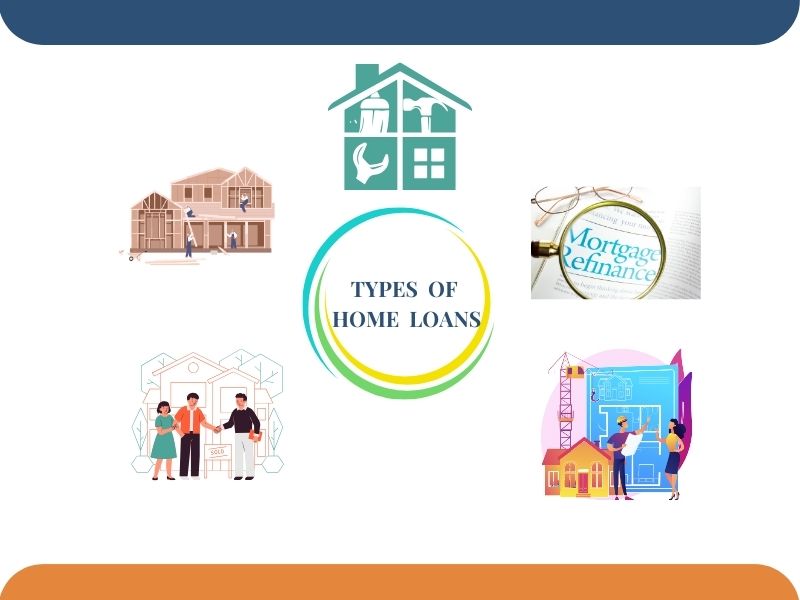
Different Types of Home Loans | Benefits & Key Facts

Different Types of Home Loans: Understanding, Key Facts, and Benefits

Home loans have become an essential part of achieving the dream of homeownership. Whether you want to buy a house, construct one, or improve an existing property, understanding the different types of home loans can help you choose the right option for your needs. In this article, we will delve into the types of home loans, key facts about them, and their benefits.

What Are Home Loans?

Home loans are financial products offered by banks and housing finance companies to help individuals purchase or construct homes. Borrowers repay these loans in installments over a specific period, including interest charged by the lender. They provide an affordable solution for aspiring homeowners by spreading the cost of ownership over several years.

Types of Home Loans

1. Home Purchase Loan

What Is It?

A home purchase loan is the most common type of home loan. It is used to buy a ready-to-move-in property, a resale home, or a property under construction.

Key Facts:

  • Loan tenure ranges between 10 to 30 years.
  • Requires a down payment, typically 10-20% of the property value.

Home Construction Loan by Vridhi Home Finance

Benefits:

  • Helps you own a home without depleting your savings.
  • Interest rates are competitive, with options for fixed or floating rates.

Read More : How to get a home purchase loan?

2. Home Construction Loan

What Is It?

This loan is designed for individuals planning to build a house on a plot of land they already own.

Key Facts:

  • The loan amount is disbursed in stages, aligned with construction progress.
  • Requires approval of the construction plan by the lender.
Home Construction Loan by Vridhi Home Finance

Benefits:

  • Ideal for customized home construction.
  • Interest is charged only on the amount disbursed.

Explore More : 5 Ways to get a home construction loan?

3. Home Renovation Loan

What Is It?

A home renovation loan, also known as a home improvement loan, is used for repairs, upgrades, or renovations of an existing property.

Key Facts:

  • Loan tenure is generally shorter than purchase or construction loans.
  • Can be used for structural repairs, painting, or upgrades to fixtures.
Home Renovation Loan by Vridhi Home Finance

Benefits:

  • Enhances property value.
  • Improves living conditions without financial strain.

Discover More : Need a Home Makeover? Here’s How to Get a Renovation Loan!

4. Land Purchase + Construction Loan

What Is It?

This loan helps individuals purchase a plot of land and build a house on it. It combines the benefits of both land purchase and construction loans, providing a comprehensive solution for homeowners.

Key Facts:

  • Covers both land and construction costs.
  • Disbursed in phases for land purchase and construction progress.
Land Purchase + Construction Loan by Vridhi Home Finance

Benefits:

  • Simplifies financing with one loan.
  • Ideal for building a customized home.

5. Balance Transfer Loan

What Is It?

A balance transfer loan lets borrowers transfer their existing home loan to another lender offering better interest rates or terms.

Key Facts:

  • Ideal for reducing EMI burden.
  • Includes processing fees by the new lender.
Balance Transfer Loan By Vridhi Home Finance

Benefits:

  • Saves money on interest.
  • Offers better repayment flexibility.

Read More : Learn about Home Loan Balance Transfer?

6. Refinance Loan 

A refinance loan is for those looking to transfer their existing home loan to another lender for better terms.

Key Facts:

  • Useful for reducing the interest rate or extending the loan tenure.
  • Includes balance transfer and top-up options for additional funding.
  • Minimal documentation is needed compared to new loans.
Refinance by Vridhi Home Finance
     Refinance by Vridhi Home Finance

Benefits:

  • Helps save on interest costs.
  • Access to top-up loans for personal or home-related needs.
  • Improved financial flexibility.

Read More : What is Refinance Loan?

7. Home Loan for NRIs

What Is It?

Non-Resident Indians (NRIs) can avail of this loan to purchase residential property in India.

Key Facts:

  • Requires valid documentation like passport, visa, and income proof.
  • Loan tenure is shorter than loans for resident Indians.

Benefits:

  • Enables NRIs to invest in Indian real estate.
  • Offers tailored loan options for overseas borrowers.

Key Considerations When Choosing a Home Loan

  1. Interest Rate Options
  • Fixed Rate: Interest remains constant throughout the tenure.
  • Floating Rate: Interest fluctuates based on market conditions.
  1. Loan Tenure

Choose a tenure that balances EMIs and total interest cost.

  1. Eligibility Criteria

Check the income, age, and credit score requirements to avoid rejections.

  1. Additional Costs

Factor in processing fees, prepayment charges, and legal expenses.

Benefits of Home Loans

  • Affordable Home Ownership

Home loans make owning a house accessible by spreading costs over years.

  • Tax Benefits

Borrowers can avail of tax deductions on principal repayment and interest paid.

  • Flexible Repayment Options

Most lenders offer EMI customization to suit financial stability.

  • Build Equity

Paying EMIs regularly increases ownership equity in the property.

  • Improved Financial Planning

With predictable EMIs, borrowers can plan their finances more effectively and prioritize other expenses.

Conclusion

Understanding the different types of home loans empowers borrowers to make informed decisions that align with their financial goals. Whether it’s buying a house, constructing one, or renovating your existing property, choosing the right loan type ensures a smooth journey toward homeownership. By evaluating options like interest rates, eligibility, and loan tenure, you can maximize the benefits of your home loan.

Why Choose Vridhi Home Finance?

At Vridhi Home Finance, we offer various home loans tailored to meet your needs. From affordable home loans to renovation and land purchase loans, we are here to help you fulfill your dreams.


Home Construction Loan: The Key to Build your Dream Home

Home Construction Loan: Building Your Dream Home Made Easier

A home construction loan is a tailored financial solution designed to help you build your dream home from scratch. Unlike a ready-to-move-in property loan, the funds are disbursed in stages, aligned with the progress of your home construction. Because of this unique feature, it provides financial flexibility and ensures that your construction journey remains hassle-free.

Benefits of a Home Construction Loan

  • Flexible Disbursement

The loan amount is disbursed in phases, ensuring that the funds align with the progress of the construction. Moreover, this flexibility reduces the burden of paying interest on the entire loan amount upfront. As a result, you can manage your finances more efficiently throughout the construction process.

  • Customization Freedom

A home construction loan empowers you to design and build your house according to your preferences and lifestyle. Whether you’re envisioning a modern design or a traditional layout, the freedom to customize remains entirely yours.

  • Tax Benefits

Borrowers can avail of tax deductions on the interest paid under Section 24(b) of the Income Tax Act. In other words, you can enjoy similar tax benefits to those of a regular home loan, reducing your overall financial burden.

Key Features of Home Construction Loans

  • Stage-Wise Disbursement

The lender releases the loan amount in installments, correlating to the construction milestones. Therefore, this approach ensures effective financial management and reduces unnecessary financial pressure.

  •  Lower Interest Rates

Home construction loans typically offer competitive interest rates, making them an affordable choice. Additionally, these rates often depend on the borrower’s creditworthiness, providing opportunities to secure better terms.

  • Flexible Loan Tenure

Borrowers can choose a loan tenure ranging from a few months to several years, depending on their repayment capacity. This flexibility, in turn, makes it easier to plan your finances.

Read More: Home Loan Provisional Certificate

Eligibility Criteria for a Home Construction Loan

To apply for  construction loan, borrowers need to meet specific eligibility requirements. In general, these criteria ensure that both the borrower and the lender benefit from the agreement.

  • Employment Type

Both salaried and self-employed individuals are eligible, provided they demonstrate a stable income source. Furthermore, a consistent income reassures the lender of the borrower’s repayment ability.

  • Ownership of Land

The applicant must either own the plot of land or plan to purchase it with the loan. Consequently, having clear property ownership ensures smoother approval processes.

  • Creditworthiness

A good credit score enhances your chances of loan approval and ensures lower interest rates. In fact, maintaining a high score demonstrates financial responsibility, which lenders value.

Read More: Property Tax

How to Apply for a Home Construction Loan

The process of applying for a home construction loan is straightforward. To simplify it further, here are the steps:

Step 1: Gather Documents

Prepare essential documents such as income proof, property papers, and identity proof. Additionally, ensure that all documents are up-to-date and accurate.

Step 2: Submit Your Application

Apply online or visit the lender’s branch to submit your application along with the required documents. At this stage, it’s important to provide all necessary information to avoid delays.

Step 3: Loan Approval

The lender assesses your creditworthiness, verifies the documents, and approves the loan. Moreover, the approval process depends on the completeness of your submission.

Step 4: Disbursement in Stages

Once approved, the funds are disbursed in alignment with the construction progress. Therefore, you can focus on completing each phase without worrying about financial constraints.

Things to Consider Before Taking a Home Construction Loan

  • Plan Your Budget

Create a detailed construction plan and estimate the total cost before applying for the loan. Additionally, ensure you have a contingency fund for unexpected expenses, as these can arise during construction.

  • Compare Lenders

Evaluate interest rates, loan tenures, and repayment options from multiple lenders to find the best deal. Furthermore, considering additional charges such as processing fees can help you make a well-informed decision.

  • Check the Loan-to-Value Ratio (LTV)

Most lenders finance up to 80-90% of the construction cost. Thus, you must arrange the remaining amount to ensure the construction proceeds without interruptions.

Why Choose a Home Construction Loan?

A home construction loan allows you to build a house that aligns perfectly with your vision and needs. In addition, it provides financial support and flexibility throughout the construction process, ensuring smooth completion without unnecessary delays. With stage-wise disbursement, you can control expenses and avoid overspending.

Conclusion

A home construction loan is an excellent financial tool for turning your dream home into a reality. With features like stage-wise disbursement, customization options, and tax benefits, it simplifies the construction process while easing financial strain. However, it’s essential to plan your budget, compare lenders, and ensure timely repayment for a seamless experience. For tailored housing finance solutions, Vridhi Home Finance offers a wide range of home loan options, including customized construction loans. Whether you’re building your first home or upgrading to your dream house, Vridhi Home Finance provides flexible and affordable solutions to meet your needs. Partner with Vridhi Home Finance today and bring your vision to life!

Home Loan Provisional Certificate: The Secret to Easy Tax Savings

Home Loan Provisional Certificate: Everything you need to Know!

When you take a home loan, the home loan provisional certificate becomes an essential document. It is crucial for managing finances and tax planning. This article provides an in-depth look at what a home provisional certificate is, its benefits, and how you can obtain one effortlessly.

What is a Home Loan Provisional Certificate?

A home loan provisional certificate is a valuable document provided by your lender, offering a detailed breakdown of the loan’s interest and principal components for a specific financial year. It is particularly beneficial for individuals aiming to claim deductions under the Income Tax Act, as it serves as evidence of your repayment schedule. Moreover, this certificate simplifies the process for both borrowers and tax authorities by providing a clear and organized summary of repayment amounts. Additionally, it ensures accuracy and transparency, making it easier to manage your finances and maximize your tax benefits effectively. Through its clarity and accessibility, the home loan provisional certificate plays a vital role in tax planning, financial management, and compliance. Let’s explore its key features and advantages in detail.

Read More: MSME Registration and Benefits

Key Features of a Provisional Certificate

A home loan provisional certificate is a versatile document, offering benefits beyond tax purposes. Below are its prominent features:

1. Details of Interest and Principal
The certificate provides a clear distinction between the principal and interest components of your loan EMIs. This breakdown is particularly beneficial when calculating tax deductions and understanding your repayment obligations.

2. Annual Payment Summary
It offers an annual summary of payments, ensuring that borrowers can monitor their finances more effectively. Additionally, this document simplifies tax filing and enables efficient tracking of tax benefits.

3. Ease of Accessibility
Most lenders, including Vridhi Home Finance, offer the convenience of downloading the provisional certificate via their online platforms. Borrowers can also request physical copies if required, further simplifying access.

Read More: Reduce Home Loan Interest

Understanding Tax Deductions with a Home Loan Provisional Certificate

Your provisional certificate is a vital tool for claiming tax deductions. Here’s how you can maximize your tax benefits using this document:

1. Section 24(b): Deduction on Interest Paid
Home loan interest payments qualify for deductions under Section 24(b). Borrowers can claim up to ₹2,00,000 annually for self-occupied properties. For properties rented out, there is no upper limit, and the provisional certificate helps calculate these benefits accurately.

2. Section 80C: Deduction on Principal Repayment
The principal repayment qualifies for a deduction of up to ₹1,50,000 under Section 80C. Using the provisional certificate, you can confirm and claim these payments without confusion.

3. Benefits for Rental Properties
If your home loan is for a rented property, the interest deduction has no upper limit. The certificate ensures that you accurately calculate the financial advantages for such investments.

4. Effective Financial Planning
With a comprehensive breakdown of repayment amounts, borrowers can effectively plan their future financial goals. Whether you’re considering buying another property, saving for renovations, or adjusting your budget for other expenses, the provisional certificate ensures better financial foresight.

5. Simplified Verification
When filing income tax returns, this certificate acts as credible evidence of loan repayment. It not only simplifies the verification process for tax authorities but also provides peace of mind to borrowers by ensuring compliance.

A home loan provisional certificate is a document provided by your lender, outlining the loan’s interest and principal components for a specific financial year. It is particularly helpful for individuals looking to claim deductions under the Income Tax Act. Moreover, the provisional certificate serves as proof of your loan repayment schedule, helping both borrowers and tax authorities verify repayment amounts.

How to Obtain a Home Loan Provisional Certificate

Obtaining your provisional certificate is now easier than ever, thanks to modernized processes adopted by lenders. Follow these simple steps to get your certificate:

Step 1: Log In to Your Lender’s Portal
Access your lender’s official website or mobile app using your credentials. Navigate to the section dedicated to your loan account.

Step 2: Locate the Provisional Certificate Option
Within the loan account details, you will find an option to download the provisional certificate for the current financial year. Click to generate the document.

Step 3: Request a Physical Copy (If Needed)
If you prefer a hard copy, contact your lender’s customer service team or visit their nearest branch.

Step 4: Verify the Certificate Details
Before submitting the certificate for tax purposes, ensure all details such as the loan account number, interest paid, and principal repayment are correct and up-to-date.

Conclusion

The home loan provisional certificate is essential for managing finances and maximizing tax benefits. Downloading it annually ensures you stay prepared during tax season and make the most of your home loan advantages. However, For personalized housing finance, Vridhi Home Finance provides a range of home loan solutions tailored to your needs. Whether it’s your first home or a dream project, Vridhi is here to turn your aspirations into reality. Start your journey with us today!

MSME : Registration, Benefits & Key Facts

MSME Business: Registration, Benefits, Key Facts, and Advantages

MSMEs are the backbone of India’s economy, contributing to employment, exports, and overall business growth. With government support and easy access to an MSME Loan, small businesses can expand operations and manage finances more effectively. Entrepreneurs can now complete the MSME loan apply process online with minimal paperwork, while comparing the MSME loan interest rate offered by different lenders to choose the best financing option for their business needs.

Explore More : Property Tax -Basic Calculations and Benefits

Tax & Legal Benefits of MSME?
          Tax & Legal Benefits of MSME?

What is an MSME?

MSME stands for Micro, Small, and Medium Enterprises. Businesses are classified as MSMEs based on their investment and annual turnover.

Category Investment Limit Turnover Limit
Micro Enterprise Up to ₹1 crore Up to ₹5 crore
Small Enterprise Up to ₹10 crore Up to ₹50 crore
Medium Enterprise Up to ₹50 crore Up to ₹250 crore

MSMEs support industrial growth, encourage innovation, and strengthen local economies across urban and rural india.

MSME Registration Process
Registering as an MSME is a straightforward process that offers numerous advantages. Here’s how you can do it:

Steps to Register an MSME

  • Visit the official Udyam Registration portal.
  • Enter Aadhaar details of the proprietor, partner, or director.
  • Provide business details such as turnover and investment.
  • Submit the application online.
  • Receive your Udyam Registration Number (URN) after verification

Key Documents Required for MSMSE

  • Aadhaar card
  • PAN card
  • Bank account details
  • Business details (investment and turnover)
  • Benefits of MSME Registration
  • MSME registration provides businesses with a plethora of benefits, enabling them to thrive in competitive markets. Here are the main advantages:

Financial Assistance and Subsidies

Easy Access to Credit: MSMEs enjoy preferential treatment from financial institutions, including collateral-free loans under government schemes.
Subsidized Interest Rates: Loans for MSMEs often come with reduced interest rates, ensuring affordable credit.
Eligibility for Government Grants: Subsidies and grants for technology upgrades and expansion are available.

Tax and Legal Benefits

  • Reduced GST Compliance: MSMEs are exempt from certain GST rules, ensuring a smoother operational process.
  • Tax Exemptions: Businesses can claim specific tax exemptions under various state and central schemes.
  • Reduced Filing Costs: Registration helps lower the costs associated with statutory filings.

Business Growth and Market Expansion

  • Export Promotion Benefits: MSMEs engaged in exports can claim subsidies and concessions, making their products competitive in global markets.
  • Technology Support: Assistance in adopting advanced technologies enhances productivity.
  • Procurement Preference: Government and PSUs give preference to registered MSMEs during procurement.

Key Facts About MSMEs

Key Metric Data/ Insights
Contributions to GDP Over 30 % of India’s GDP
Employment More than 11 Crore jobs created across urban and rural regions
Export Share Nearly 48% of India’s total exports are made by MSMEs
Government Schemes PMEGP, CGTMSE and other credit linked schemes helps MSMEs access affordable loans and assistance

Discover More : Affordable Green Homes – Benefits & Features


Know all aspects of MSME.
 Know all aspects of MSME

Advantages of MSMEs for Entrepreneurs

Empowering Rural and Urban Growth

MSMEs are a driving force behind India’s balanced economic development, particularly in rural areas. They empower local entrepreneurs, providing them with the tools to compete in the market.

Accessibility to Financial Supports

Registered MSMEs have easier access to government schemes like PMEGP (Prime Minister’s Employment Generation Programme) and CGTMSE (Credit Guarantee Trust for Micro and Small Enterprises). These initiatives reduce the risks of borrowing and enable scalability.

Sustainable Business Development

By promoting energy efficiency and technology adoption, MSMEs contribute to sustainable development. Many businesses benefit from green finance schemes, helping them transition to environmentally friendly practices.

Why MSMEs Matter
MSMEs are not just about numbers—they reflect the entrepreneurial spirit of India. The government’s consistent push through schemes like Make in India and Atmanirbhar Bharat has further strengthened the MSME ecosystem. Registered MSMEs can enjoy financial support, legal protection, and incentives that make them competitive and resilient.

Conclusion

The MSME sector continues to thrive as a cornerstone of India’s economic framework, offering opportunities for growth, innovation, and sustainability. By registering your business as an MSME, you unlock access to numerous benefits, ranging from financial assistance and market opportunities to technological support and tax incentives. Entrepreneurs in rural and urban areas should leverage these advantages to scale their ventures.

Whether you need financing for your MSME or housing needs, Vridhi Home Finance provides customized home loan solutions to cater to your requirements. With affordable housing finance options, you can take the next step in your entrepreneurial or personal journey.


How to Secure a Home Loan Without ITR: Complete Guide

How to Get a Home Loan Without ITR?

Getting a home loan is a significant step toward owning your dream house. However, not everyone has the necessary Income Tax Return (ITR) documents, which are typically required by lenders to assess your financial stability. Fortunately, it is still possible to secure a home loan without ITR, especially if you have alternative income proofs or a strong credit profile. This guide will explore how to get a home loan without ITR and help you understand the options available for making your dream home a reality.

Can You Get a Home Loan Without ITR?

Yes, obtaining a home loan without ITR is possible, though it may require additional effort to prove your financial credibility. Lenders usually rely on ITRs to assess income stability, but they also consider other factors such as your employment, bank statements, and property value. With the right documentation and approach, many housing finance companies, including Vridhi Home Finance, cater to applicants without ITR.

Read More : How to close your Home Loan?

Alternatives of ITR?
                   Alternatives of ITR?

Alternatives to ITR for Home Loan Approval

Bank Statements and Income Proofs

Lenders often accept detailed bank statements as proof of consistent income. For instance, if you are self-employed or earn income through alternate means, providing six months to one year of bank statements can demonstrate your financial capacity.

Salary Slips or Employer Certificates

For salaried individuals, salary slips or an employer’s certificate can serve as proof of regular income. These documents help lenders verify your ability to repay the loan, making ITR less critical in such cases.

Business Financials

If you are a small business owner or entrepreneur without ITR, audited profit and loss statements, balance sheets, or GST returns can establish your business’s financial health. These documents assure lenders of your repayment capacity.

Alternate Income Sources

For those with rental income, agricultural income, or other recurring earnings, providing documentary evidence of these sources can strengthen your loan application.

Steps to Get a Home Loan Without ITR

Follow these practical steps to increase your chances of approval:

1. Choose the Right Lender

Not all lenders require ITR for home loan approval. Some housing finance companies, such as Vridhi Home Finance, specialize in offering loans to individuals without formal income documentation.

Look for Non-Banking Financial Companies (NBFCs)

NBFCs are often more flexible than traditional banks. They cater to self-employed individuals, small business owners, and applicants without standard financial records like ITR.

2. Gather Alternative Documents

To compensate for the lack of ITR, prepare comprehensive documentation of your finances. This includes:

  • Recent bank statements
  • Salary slips or employer certificates
  • Proof of business income (if applicable)
  • Documents proving alternate income sources

Highlight Creditworthiness

If you have a strong credit score, highlight it in your application. A good credit score increases your credibility as a borrower, even without ITR.

3. Apply for a Lower Loan Amount

Lenders are more likely to approve smaller loan amounts for applicants without ITR. Opt for a loan amount that aligns with your income and repayment capacity to enhance approval chances.

Consider a Higher Down Payment

Offering a higher down payment reduces the loan-to-value (LTV) ratio, lowering the lender’s risk. This can significantly improve your chances of approval.

4. Co-Applicant or Guarantor

Adding a co-applicant with documented income or a guarantor with a strong financial profile can bolster your application. This reassures lenders of loan repayment.

Benefit of Spouse or Family Member as Co-Applicant

Including your spouse or a family member with proper income documentation increases the total income eligibility, making approval easier.

Read More : Buying vs Renting a home? Which is more Preferable ?

Challenges of getting home loan without ITR?
 Challenges of getting home loan without ITR?

Challenges of Getting a Home Loan Without ITR

While it is possible to get a home loan without ITR, some challenges may arise:

Higher Interest Rates

Lenders may impose slightly higher interest rates on loans without ITR due to perceived risk. Comparing lenders and negotiating can help secure better terms.

Limited Loan Amount

Without ITR, lenders may restrict the loan amount to minimize their risk. This is why it’s crucial to align your loan request with your income proof.

Additional Documentation

You may need to provide additional documents or undergo a more thorough verification process, which can prolong the loan approval timeline.

Benefits of Home Loans Without ITR

Despite the challenges, opting for a home loan without ITR offers several advantages:

  • Accessibility: Makes home loans available to self-employed or informal earners.
  • Customized Solutions: Many lenders offer tailored products for applicants without standard documentation.
  • Opportunity for Ownership: Enables individuals without ITR to fulfill their dream of owning a home.

Conclusion

Securing a home loan without ITR may seem challenging, but with the right approach, it is entirely achievable. By providing alternative income proofs, choosing the right lender, and preparing a solid application, you can successfully navigate the process. Remember to research your options and understand the requirements of different lenders to find the best fit for your needs.

Vridhi Home Finance offers a range of home loan solutions tailored for individuals without ITR. Whether you’re buying, building, or renovating, we provide flexible options to meet your financial needs. Let us help you turn your dream of homeownership into reality today!

Home Loan Closure: Nailing it one step at a time

Home Loan Closure Checklist: Your complete guide

Closing your home loan is a significant milestone, marking the culmination of financial planning and diligent repayments. However, completing this process requires attention to detail. A home loan closure checklist ensures that you leave no loose ends, safeguarding your credit health and securing your ownership rights.

Why is a Home Loan Closure Checklist Important?

The home loan closure process involves several critical steps. Missing any could lead to disputes or complications, such as incorrect credit score updates or pending dues. By following a well-structured checklist, you ensure clarity and prevent errors during closure.

Steps for Closing a Home Loan

  • Clear Any Remaining Dues: Confirm and pay any outstanding dues, including last EMI, prepayment charges, or hidden fees.
  • Request a No Objection Certificate (NOC): Obtain an NOC from the lender after final payment, ensuring it includes all necessary details.
  • Retrieve Original Documents: Collect and verify original property documents like the sale deed, loan agreement, and title deed.
  • Check Credit Bureau Updates: Verify your credit report after 30–45 days to confirm the loan closure reflects accurately.
  • Obtain Lien Release: Request a lien release document to remove the lender’s legal claim on your property.
  • Update Property Records: Update your ownership details at the registrar’s office using the NOC and lien release documents.

Explore More: Home Loan Insurance

Common Mistakes to Avoid During Home Loan Closure

  • Missing the NOC: Failing to collect the NOC can lead to complications, as it is the key proof of loan repayment.
  • Neglecting Credit Report Updates: An unupdated credit report can create financial roadblocks when applying for future loans.
  • Ignoring Document Verification: Always verify all retrieved property documents before signing off on the closure process.

Benefits of Closing a Home Loan Properly

  1. Improved Credit Score: Proper loan closure reflects positively on your financial record.
  2. Full Property Ownership: Once the loan is closed, the property become legally yours   claim.
  3. Financial Freedom: Guarantees that you are free from any remaining financial obligations or future claims related to the property.

Checklist for a Smooth Home Loan Closure

  • Settle Any Outstanding Dues: Make sure to clear all remaining payments, including the last EMI, prepayment charges, and any hidden fees, before proceeding.
  • Request a No Objection Certificate (NOC): After making the final payment, ask the lender for an NOC that confirms there are no claims against your property.
  • Collect Original Property Documents: Retrieve the original documents, such as the sale deed, loan agreement, and title deed, from your lender.
  • Confirm Credit Report Updates: Check your credit report within 30–45 days to ensure that the loan closure reflects accurately.
  • Obtain a Lien Release: Ask the lender for a lien release document to remove their legal claim on your property.
  • Update Property Records: Visit the local registrar’s office and submit the necessary documents to update the property records, ensuring your sole ownership is recorded.

Explore More: Mortgage Refinance

Conclusion

Closing a home loan involves more than just the final payment; it requires key legal and financial steps to secure your property. Vridhi Home Finance offers tailored home loans for your needs, whether you’re buying your first home or refinancing. We’re here to support you every step of the way.

Why Bangalore is a Hotspot for Home Buyers to Housing Finance

Why Bangalore is a Hotspot for Home Buyers: A Guide to Housing Finance and Vridhi’s Offerings.

Bangalore, also known as the “Silicon Valley of India,” continues to attract homebuyers from across the country. Its growing economic prominence, well-developed infrastructure, and diverse housing options, the city has become a thriving real estate market. For those planning to purchase their dream home, home loans in Bangalore plays a pivotal role in a thriving real estate market. Here’s why Bangalore stands out and how you can navigate the process of buying a home, particularly with Vridhi Home Finance.

Why Bangalore Appeals to Homebuyers?

1. A Booming Economy
Bangalore hosts several global IT giants, thriving startups, and multinational corporations, creating a strong job market. Consequently, the city sees a steady influx of professionals, driving demand for residential properties. For investors, this means an excellent opportunity to tap into a growing market where property values consistently appreciate.

2. Excellent Infrastructure and Connectivity
With world-class amenities and strong connectivity through its expanding metro network, well-maintained roads, and proximity to Kempegowda International Airport. Prominent areas such as Whitefield, Electronic City, and Yelahanka are especially popular due to their proximity to IT hubs and infrastructure projects like the Peripheral Ring Road.

3. Diverse Housing Options
Whether you’re in the market for a luxury villa, a mid-range apartment, or a budget-friendly flat, Bangalore caters to every preference and price point. For instance, Sarjapur Road and Hennur Road offer affordable housing options, while Indiranagar and Koramangala are ideal for buyers seeking premium residential properties. With a range of options available, home loans in Bangalore can help buyers secure the funds needed to purchase their ideal homes.

4. High ROI Potential
Bangalore’s real estate market is renowned for its consistent appreciation in property values, making it a preferred destination for long-term investors. As the city continues to grow, so does the value of its properties, ensuring high returns on investment over time.

Read more: Home Loan EMI

Key Factors to Consider While Opting for a Home Loans

Purchasing a home involves more than selecting the perfect property—it also requires careful financial planning. Here are some important considerations when seeking a home loans in Bangalore.

  • Understand Interest Rates
    Firstly, it’s essential to compare interest rates offered by banks and NBFCs (Non-Banking Financial Companies). By finding the most competitive rate, you can significantly reduce your long-term repayment burden.
  • Loan Eligibility
    Next, assess your eligibility based on income, credit score, and employment type. Fortunately, lenders like Vridhi Home Finance offer flexible eligibility criteria, making it easier for both salaried and self-employed individuals to secure loans.
  • Property Type and Location
    Choose a property in a location with good connectivity, appreciation potential, and legal clearance. Moreover, selecting a property in a prime location with excellent connectivity and appreciation potential is critical. Additionally, ensure the property has all legal clearances to avoid future issues.
  • Loan Tenure and EMI Calculation
    Select a repayment tenure that ensures manageable EMIs without overburdening your finances. Similarly, choosing the right loan tenure is vital. While a longer tenure lowers monthly EMIs, it increases the overall interest cost. Therefore, finding a balance between affordability and total repayment is key.
  • Processing Fees and Hidden Costs
    Check for additional costs such as processing fees, prepayment charges, and legal verification expenses. Lastly, pay attention to additional costs such as processing fees, prepayment charges, or legal expenses. Understanding the full cost structure ensures no unexpected surprises.

Why Choose Vridhi Home Finance?

When it comes to financing your dream home in Bangalore, Vridhi Home Finance stands out as a reliable NBFC offering tailored solutions. Unique Selling Points (USP) of Vridhi Home Finance.

  • Customer-Centric Approach: Unlike traditional banks, Vridhi Home Finance focuses on personalized services, ensuring a seamless experience for first-time homebuyers and seasoned investors.
  • Support for Informal Income Groups: Vridhi caters to both salaried professionals and self-employed individuals, including those with irregular or non-documented income, making home ownership accessible for a wider audience.
  • Quick Loan Processing: With faster processing times and minimal paperwork, Vridhi Home Finance ensures that customers don’t face unnecessary delays.
  • Flexible Loan Structures: Customized repayment options align with the borrower’s financial capability, making home loans stress-free.
  • Transparency and Trust: The institution prides itself on transparent dealings, ensuring no hidden costs or unpleasant surprises. Products Offered by Vridhi Home Finance.

Products Offered by Vridhi Home Finance

To cater to a wide range of homebuyer and business needs, Vridhi Home Finance provides specialized products designed to empower individuals and entrepreneurs:

  • Home Purchase Loans
    Designed for buying ready-to-move-in or under-construction properties, this product is ideal for first-time buyers in Bangalore’s vibrant real estate market.
  • Construction Loans
    Tailored for individuals looking to build their own homes, Vridhi offers financial support for all stages of construction.
  • Home Renovation Loans
    Perfect for homeowners wanting to upgrade or renovate their property, this loan ensures your dream home stays updated.
  • Plot Purchase Loans
    For those eyeing land for future construction, Vridhi’s plot purchase loans provide the financial backing needed.
  • Balance Transfer Loans
    Vridhi allows customers to transfer their existing loans from other institutions to avail lower interest rates and better terms.
  • MSME Loans
    In addition to housing finance, Vridhi Home Finance offers MSME Loans to support small businesses and entrepreneurs. These loans provide capital for business expansion, infrastructure, equipment, or working capital, with flexible repayment options and quick processing to help enterprises grow without financial constraints.
    Read More: MSME Loans

How Vridhi Home Finance Differs from Other NBFCs

  1. Focus on Niche Segments: While many NBFCs cater to salaried professionals, Vridhi also serves individuals in semi-formal or informal income brackets.
  2. Competitive Interest Rates: Offers affordable EMIs tailored to the financial circumstances of customers.
  3. Inclusive Approach: Works with first-time buyers, small business owners, and others often overlooked by larger banks.

Conclusion

Bangalore’s real estate market offers incredible opportunities for homebuyers, whether for personal use or investment. Securing a Home loans in Bangalore is a critical step, and partnering with the right financial institution can make all the difference. With its customer-focused services, transparent practices, and diverse loan products, Vridhi Home Finance is well-equipped to help you turn your dream of owning a home in Bangalore into reality. Explore their offerings today and take a step closer to your dream home.