
Apply for Loan EMI Calculator
Give us a Missed Call Pay EMI

Pradhan Mantri Awas Yojana – Urban 2.0: Cabinet Approval Boosts Affordable Housing Mission

Pradhan Mantri Awas Yojana – Urban 2.0: Cabinet Approval Boosts “Affordable Housing Mission”

The Union Cabinet has approved the Pradhan Mantri Awas Yojana – Urban 2.0 (PMAY-U 2.0), marking a significant advancement in India’s mission to provide affordable housing for all urban residents. Building upon the foundation of the original PMAY-U, this enhanced scheme aims to address the evolving housing needs of urban populations by offering financial assistance and promoting sustainable development practices. Overview of PMAY-U 2.0 Launched in September 2024, PMAY-U 2.0 is a flagship initiative of the Government of India, targeting the provision of affordable housing to economically weaker sections (EWS), low-income groups (LIG), and middle-income groups (MIG) in urban areas. The scheme emphasizes eco-friendly construction, efficient resource utilization, and modern urban planning to ensure sustainable and inclusive growth.

Read More : How Self-Employed can secure a Home Loan?


Understanding of PMAY
                  Understanding of PMAY


Key Features of PMAY-U 2.0

       Feature                                                  Description
Extended Timeline Implementation extended to accommodate more beneficiaries, ensuring wider reach and impact.
Affordable Housing Promotion Collaboration with public and private stakeholders to boost the construction of affordable homes in urban locales.
Financial Assistance Provision of direct subsidies under the Credit Linked Subsidy Scheme (CLSS), reducing the financial burden on homebuyers.
Sustainable Development Focus on green and resilient housing solutions to minimize environmental impact and promote sustainable urban development.
Beneficiary Categories Targeted assistance for EWS (annual income up to ₹3 lakh), LIG (annual income between ₹3 lakh and ₹6 lakh), and MIG (annual income up to ₹18 lakh) segments.
Interest Subsidy Interest subsidies ranging from 3% to 6.5% on housing loans, depending on the beneficiary category, to make homeownership more accessible.
Women’s Ownership Mandate for female ownership or co-ownership of houses to promote women’s empowerment and financial inclusion.

PMAY-Gramin: Empowering Rural India

Features of PMAY-Gramin

The rural component of the scheme is committed to improving the lives of those living in villages. Key features include:

  • Financial assistance to build durable houses with essential amenities.
  • Priority given to families without shelter or living in kutcha (temporary) houses.
  • Integration with other schemes like Swachh Bharat Mission for improved sanitation.

Progress in Rural Areas

Millions of homes have been constructed under PMAY-Gramin. The approval from the Cabinet has further accelerated construction, making it possible to achieve housing targets in rural regions.

Benefits to Urban Residents

PMAY-U 2.0 addresses the critical need for affordable housing in rapidly urbanizing areas. By providing financial assistance and promoting sustainable construction practices, the scheme ensures that economically disadvantaged sections have access to safe and adequate housing. The initiative also contributes to infrastructure development, generating employment opportunities and stimulating economic growth.

Implementation and Financial Outlay

The government has committed substantial funds to support PMAY-U 2.0, ensuring its reach to all eligible beneficiaries. State governments and urban local bodies play a pivotal role in identifying beneficiaries and facilitating construction projects. The scheme’s financial structure includes:

           Component                             Details
     Total Investment                    ₹10 lakh crore
  Government Subsidy                    ₹2.30 lakh crore
 Targeted Beneficiaries 1 crore urban poor and middle-class families

Read More : NBFC Vs Bank? Choose the best for your Home Loan?

How to Avail Benefits Under PMAY-U 2.0

To benefit from PMAY-U 2.0, individuals should:

  1. Check Eligibility: Verify eligibility based on income criteria and other parameters.
  2. Application Process: Apply through the official PMAY-U portal or consult local urban development authorities.
  3. Documentation: Provide necessary documents, including proof of income, identity, and property details.
  4. Financial Assistance: Approach participating financial institutions for housing loans under the scheme.

Proper documentation and adherence to guidelines are crucial for a smooth application process. Seeking assistance from housing finance experts can further facilitate the procedure.

Role of Financial Institutions

Financial institutions play a significant role in the successful implementation of PMAY-U 2.0. They offer tailored home loan solutions, competitive interest rates, and guidance on subsidy claims under CLSS. For instance, Vridhi Home Finance provides a range of housing loan options to meet diverse needs, ensuring that aspiring homeowners receive the necessary financial support to realize their dreams.

Conclusion

The approval of Pradhan Mantri Awas Yojana – Urban 2.0 marks a transformative step towards achieving the vision of “Housing for All.” By focusing on affordability, sustainability, and inclusivity, the scheme paves the way for a better future for urban residents. If you’re planning to purchase your dream home, Vridhi Home Finance offers a wide range of housing loan options tailored to your needs. Explore their solutions today and make your dream home a reality!
What is LTV Ratio? Benefits and Key Facts Explained

What is LTV Ratio? Benefits and Key Facts Explained

When applying for a home loan, one critical concept that borrowers encounter is the Loan-to-Value Ratio. Understanding the ratio is crucial, as it plays a significant role in determining loan eligibility and financial planning. Let’s explore its meaning, benefits, and key facts to help you make informed decisions.

What is LTV Ratio?

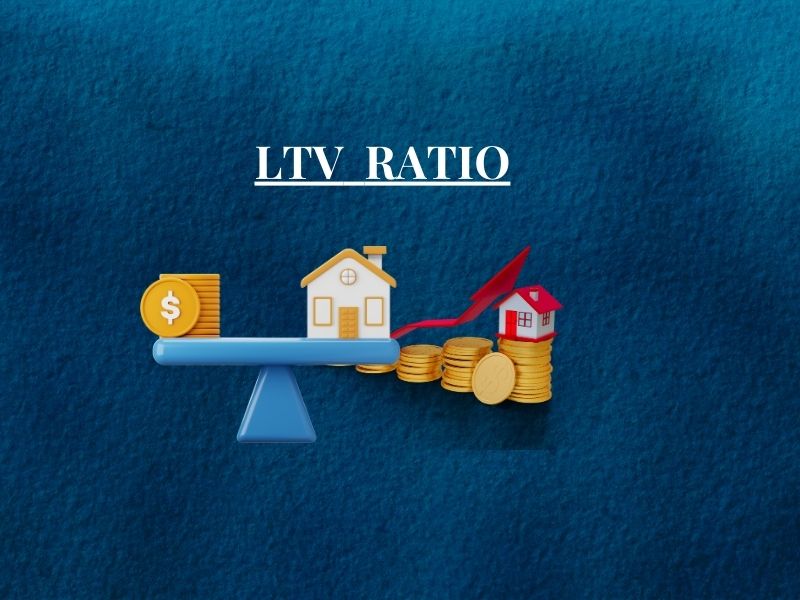
The Loan-to-Value (LTV) Ratio is a financial metric used by lenders to assess the risk involved in lending money for a property purchase. It is calculated as a percentage by dividing the loan amount by the appraised value or purchase price of the property (whichever is lower).

Read More : NBFC Vs Bank ? Choose the best for your Home loan.

Benefits of LTV Ratio!
                      Benefits of LTV Ratio!

Formula:

LTV=Loan Amount Property Value×100

For example, if the property value is ₹50,00,000 and the loan amount is ₹40,00,000, the LTV ratio is 80%.

Key Fact:

  • Lenders prefer lower LTV ratios, as they indicate less risk. A lower ratio means the borrower has made a higher down payment.

Benefits of Understanding LTV Ratio

Grasping the concept of LTV ratio offers multiple advantages, both for lenders and borrowers.

1. Better Financial Planning

Knowing the ratio helps borrowers determine how much down payment they need to arrange. A higher down payment reduces the ratio, leading to better loan terms.

2. Improved Loan Terms

Borrowers with a lower LTV ratio can enjoy benefits like lower interest rates, reduced monthly payments, and quicker loan approvals.

3. Reduced Risk of Rejection

Lenders view a lower ratio as a sign of financial stability, reducing the chances of loan rejection.

4. Avoiding Mortgage Insurance

Loans with high LTV ratios may require mortgage insurance, adding extra costs. Maintaining a lower ratio helps avoid this additional expense.

Key Facts About LTV Ratio

Understanding some key facts about LTV can further enhance your knowledge of home loans.

1. LTV Limits Vary by Loan Type

Different loans have varying  ratio limits. For instance, home loans in India typically allow an LTV of up to 80% to 90%, depending on the lender and loan amount.

2. It Affects Loan Costs

Higher LTV ratios often come with higher interest rates, as lenders compensate for the increased risk.

3. Property Value Matters

The property’s appraised value significantly influences the LTV ratio. Borrowers should always seek an accurate property valuation.

4. Regulatory Guidelines

In India, the Reserve Bank of India (RBI) regulates LTV ratios for housing finance, ensuring financial discipline and stability in the housing market.

Explore More : Economics of Eco-Friendly Home?

Loan -To- Value
                           Loan -To- Value

How to Reduce Your LTV Ratio?

Reducing your ratio can make your home loan application stronger. Here are some practical tips:

1. Increase Your Down Payment

Saving more for your down payment lowers the loan amount, reducing the ratio.

2. Choose Properties Within Budget

Opt for properties that align with your financial capacity to avoid high LTV ratios.

3. Negotiate Loan Terms

Work with lenders to explore options for reducing the LTV ratio through structured repayment plans.

Conclusion

The Loan-to-Value ratio is a crucial metric that influences your home loan journey. By understanding its importance, benefits, and key facts, you can plan your finances wisely and secure favorable loan terms. Whether you’re purchasing your first home or refinancing an existing property, being informed about LTV helps you make confident decisions.

Vridhi Home Finance offers a variety of home loan options tailored to meet your needs, ensuring your dream home becomes a reality. Contact us today to learn more!

How Self-Employed Individuals Can Secure a Home Loan?

How Self-Employed Individuals Can Secure a Home Loan?

In the realm of housing finance, securing a home loan as a self-employed individual can be challenging, yet achievable. Financial institutions have specific requirements for self-employed applicants, but by understanding these requirements, you can successfully navigate the loan approval process. This article explains the steps, criteria, and tips for self-employed individuals to secure a home loan confidently.

Challenges Faced by Self-Employed Individuals

Self-employed individuals face distinct challenges in obtaining home loans. Unlike salaried employees, their income can fluctuate based on business performance, making it difficult for lenders to assess their repayment capacity. Here are some common hurdles:

1. Variable Income

Self-employed individuals often have variable income streams, which may fluctuate monthly or seasonally. This unpredictability can make lenders cautious, as they seek stable monthly income to ensure consistent EMI payments.

2. Limited Documentation

Lenders typically rely on salary slips and employer verification for salaried employees, but self-employed applicants often lack these standard documents. Instead, they must present business income statements, tax returns, and bank statements as proof of income.

3. Perceived Higher Risk

Due to inconsistent cash flows, lenders may view self-employed borrowers as high-risk applicants. To mitigate this, self-employed individuals must provide additional documentation and assurance of their financial stability.

Read More : What is Home Loan Sanction Letter ?

Steps to Secure Home Loan for Self-Employed Individuals

Steps to Secure a Home Loan as a Self-Employed Individual

Despite the challenges, self-employed individuals can enhance their loan eligibility by taking specific steps. Following these steps can help you gain approval for a home loan with favorable terms.

1. Organize Financial Documents

Your financial documentation is crucial in securing a home loan. Organize essential documents, including:

  • Income Tax Returns (ITR): Lenders usually request 2-3 years of ITRs to assess income stability.
  • Profit & Loss Statements: If you operate a business, provide audited P&L statements to showcase revenue and profit trends.
  • Bank Statements: Maintain 12-18 months of bank statements to demonstrate regular income deposits and healthy cash flow.
  • Business Registration Documents: Provide documents proving your business’s legality and operational status.

2. Maintain a Good Credit Score

A high credit score significantly increases your chances of loan approval. A score above 750 is considered favorable by lenders, as it shows financial discipline. Improve your score by paying credit dues on time, limiting credit usage, and avoiding frequent loan applications.

3. Declare All Sources of Income

Self-employed individuals often have multiple income sources. Declare all sources, including business profits, investments, rental income, or any secondary income, to strengthen your income profile. Lenders prefer applicants with multiple income streams, as it reduces the risk of non-repayment.

4. Reduce Existing Liabilities

If you have outstanding loans, aim to clear them or reduce the debt before applying for a home loan. High existing liabilities can lower your loan eligibility, as lenders consider your debt-to-income ratio. Reducing debts can improve your financial profile and increase your sanctioned loan amount.

5. Opt for a Higher Down Payment

Making a higher down payment reduces the loan amount you need, lowering the lender’s risk. A down payment of 20% or more of the property value can enhance your eligibility and may result in better loan terms, including a lower interest rate.

Key Factors Considered by Lenders for Self-Employed Applicants

Lenders evaluate specific factors to determine the eligibility of self-employed home loan applicants. Understanding these criteria can help you prepare for the application process.

1. Business Stability and Vintage

Lenders assess the stability of your business by reviewing its age, revenue trends, and market position. Businesses with at least 3 years of operation are more likely to gain approval, as they indicate stability and income consistency.

2. Average Monthly Income

Since self-employed income can vary, lenders calculate the average monthly income from your business profits and additional sources. This average is then used to determine EMI affordability and loan eligibility.

3. Financial Discipline

Your financial habits, reflected in your credit history, play a crucial role. Lenders favor borrowers with a clean credit history, as it demonstrates responsibility in managing finances.

4. Type of Business (H3)

Some businesses have cyclical income patterns, while others maintain steady revenue streams. Lenders often give preference to applicants in stable, non-seasonal businesses. If your business has cyclical income, be prepared to explain how you manage cash flow during low-income periods.

Explore : Can you get a home loan with low CIBIL score?

Tips to Increase Chances for self-employed Individuals

Tips to Improve Loan Approval Chances for Self-Employed Individuals

Improving your loan eligibility requires proactive planning and strategic actions. Here are some tips to boost your chances of securing a home loan.

1. Maintain Consistent Bank Deposits

Ensure that you make consistent deposits into your bank account, as lenders review bank statements to assess income stability. Regular deposits can reflect consistent earnings, even if income varies.

2. Work with a Co-Applicant

Including a co-applicant, such as a spouse with stable income, can strengthen your application. A co-applicant increases your combined income profile, improving eligibility and potentially securing better loan terms.

3. Choose a Lender Familiar with Self-Employed Applicants

Some lenders specialize in providing loans to self-employed individuals. Choose a lender experienced in this area, as they are likely to have loan products designed to meet the needs of self-employed borrowers.

4. Be Transparent About Business Cycles

If your business has cyclical income, communicate this openly with the lender. Transparency can build trust and may result in flexible loan terms tailored to your unique income pattern.

Read More : What is Home Loan EMI & its calculation?


Conclusion: Home Loans for Self-Employed Individuals

Securing a home loan as a self-employed individual requires careful financial planning, documentation, and proactive measures to improve your financial profile. By organizing documents, maintaining a high credit score, and being transparent with lenders, you can enhance your loan eligibility and gain approval with favorable terms.

Vridhi Home Finance offers a variety of home loans tailored to self-employed individuals. Reach out today to explore our flexible home loan solutions designed to meet your unique financial needs.

MSME Loan: Are you eligible ?

MSME Loans: Empowering Small Businesses with Financial Support

Understanding MSME Loans

What is an MSME Loan?

MSME loans provide crucial funding to Micro, Small, and Medium Enterprises (MSMEs) to help them grow and develop. These loans enable businesses to expand operations, purchase equipment, manage cash flow, and invest in new opportunities. Whether you run a startup or an established business, MSME loans offer the financial backing you need to succeed.

MSME Full Form

The full form of MSME is Micro, Small, and Medium Enterprises. These businesses play a vital role in the economy by creating jobs, driving innovation, and boosting GDP growth. Recognizing their importance, the government and financial institutions offer MSME loans to support their growth and sustainability.

Explore: FAQs on Home Loan


MSME Loan : Made easier for you.
MSME Loan : Made easier for you

Key Features of SME Loans

SME Loan Eligibility Criteria

To qualify for an SME loan, businesses must meet specific eligibility criteria set by lenders. Generally, these include:

  • Business Type: Your enterprise must be classified as micro, small, or medium under the MSME Development Act.
  • Business Age: Most lenders require businesses to have been operational for at least six months to two years.
  • Annual Turnover: Your business turnover should fall within the limits defined for MSMEs.
  • Credit Score: A strong credit score increases your chances of approval and helps secure better interest rates.

Small Business Loan Interest Rates

Interest rates on Small Business Loans vary based on the lender, loan amount, and the borrower’s creditworthiness. Typically, lenders offer competitive rates to ensure small businesses can afford the financing they need.

  • Competitive Rates: Interest rates generally range from 8% to 15% per annum, depending on various factors.
  • Fixed vs. Floating Rates: Borrowers can choose between fixed and floating interest rates depending on their risk tolerance and financial planning.

Read on: Home loan for women


MSME Loan :
Fueling small business growth


MSME Loan Schemes and Benefits

Government Schemes for MSME Loans

The government has introduced various MSME loan schemes to support small businesses by offering favorable terms and benefits. Some popular schemes include:

  • Prime Minister’s Employment Generation Programme (PMEGP): Provides financial assistance for setting up new self-employment ventures.
  • Credit Guarantee Fund Trust for Micro and Small Enterprises (CGTMSE): Offers collateral-free loans to micro and small enterprises.
  • MSME Credit Linked Capital Subsidy Scheme (CLCSS): Provides subsidies for upgrading technology in small businesses.

MSME Loans for Women Entrepreneurs

MSME loans are also available specifically for women entrepreneurs, helping them start and grow their businesses. These loans often come with special benefits, such as lower interest rates and easier eligibility criteria, to encourage women’s participation in the business world.

  • Stree Shakti Package: Offers reduced interest rates for women entrepreneurs.
  • Annapurna Scheme: Provides loans to women in the food catering industry to start small businesses.


MSME Loans for New Businesses

For entrepreneurs looking to start a new venture, MSME loans offer the financial support needed to cover initial costs such as purchasing equipment, leasing property, and marketing.

  • Startup Loans: Tailored MSME loans for new businesses.
  • Working Capital Loans: Provides funding for daily operational expenses.


How to Apply for an SME Loan

Steps to Apply for SME Loans

Applying for an SME loan involves several straightforward steps:

  1. Check Eligibility: Ensure your business meets the eligibility criteria for an MSME loan.
  2. Gather Necessary Documents: Prepare documents such as business registration, financial statements, and identity proof.
  3. Choose the Right Lender: Compare different lenders based on interest rates, terms, and customer service.
  4. Submit the Application: Complete the loan application form, either online or at a branch, providing accurate details and supporting documents.
  5. Loan Approval and Disbursement: After verification, the lender approves your loan and disburses the funds.


Required Documents for MSME Loans

When applying for an MSME loan, you’ll need to submit key documents, including:

  • Business Plan: Outline your business objectives, market analysis, and financial projections.
  • Identity Proof: PAN card, Aadhaar card, or other government-issued ID.
  • Address Proof: Utility bills, rental agreement, or property documents.
  • Financial Statements: Bank statements, profit and loss accounts, and balance sheets.
  • Business Registration Proof: Certificate of incorporation, GST registration, etc.


Conclusion

MSME loans are essential financial resources for small businesses, offering the support needed to grow, innovate, and compete in the market. Whether you’re applying for a new MSME loan, benefiting from government schemes, or seeking loans tailored for women entrepreneurs, understanding the eligibility, interest rates, and application process is key to securing the right funding. By leveraging MSME loans, your business can reach its full potential and contribute to economic growth.

Vridhi Home Finance is here to guide you through the home loan process, including understanding the benefits and options for MSME loans.


Home Loan for Women: What Makes It Different? Explore the Key Advantages!

Home Loan for Women: Empowering Women to Own Their Dream Home

Introduction

In recent years, the financial landscape in India has seen a significant shift towards empowering women to achieve their dreams of homeownership. Home loans for women are tailored to provide financial support with attractive benefits, making it easier for women to purchase their dream homes. Whether you are a working professional or a housewife, understanding the nuances of home loans designed specifically for women can help you make an informed decision.

Why Choose a Home Loan for Women?

Home loans for women come with several advantages that make them an appealing option:

  • Lower Interest Rates: Many banks and financial institutions offer reduced interest rates on home loans for women, making the EMI burden lighter.
  • Higher Loan Amount Eligibility: Women may be eligible for higher loan amounts due to favorable loan-to-value (LTV) ratios.
  • Longer Tenure Options: Lenders may offer extended loan tenure options, making repayment more manageable.

Explore : Home Construction Loan 


Get affordable home loans for women

Key Benefits of Home Loans for Women

Lower Interest Rates

One of the primary benefits of home loans for women is the lower interest rate offered by many lenders. Typically, interest rates for women borrowers are 0.05% to 0.1% lower than the standard rates, which can result in significant savings over the loan tenure.

Stamp Duty Concession

In many states in India, women are entitled to a concession on stamp duty charges when they are the sole or joint owner of the property. This concession can range from 1% to 2%, reducing the overall cost of property registration.

Higher Loan Eligibility

Lenders often consider women as lower-risk borrowers, which can increase their home loan eligibility. This means women can qualify for higher loan amounts, enabling them to purchase better properties within their budget.

Home Loan Eligibility for Housewives

Can a Housewife Apply for a Home Loan?

Yes, a housewife can apply for a home loan in India. While housewives may face certain challenges in securing a loan due to a lack of regular income, there are several ways to enhance their eligibility:

  • Co-Applicant: By adding a co-applicant with a stable income, such as a spouse or family member, housewives can improve their chances of loan approval.
  • Fixed Deposits or Investments: Housewives with significant savings, fixed deposits, or investments can use these assets as collateral to secure a loan.
  • Income from Rentals or Business: If a housewife earns income through rentals, business, or other sources, this can be used to demonstrate repayment capacity.

Explore: How to Apply for a Home Purchase Loan

Tips to Improve Eligibility for Housewives

  • Maintain a Good Credit Score: A strong credit history can significantly enhance eligibility for a home loan.
  • Choose a Co-Applicant with a High Income: Opting for a co-applicant with a higher income increases the likelihood of loan approval.
  • Provide Proof of Alternate Income: Submitting documentation for any alternate income streams can bolster the application.


Home Loan Interest Rates for Women in India

What are the Current Interest Rates?

Interest rates for home loans for women in India vary depending on the lender, the borrower’s credit score, and other factors. As of now, interest rates for women borrowers generally range from 6.5% to 8% per annum.

Factors Influencing Interest Rates

Several factors can influence the interest rate offered to women borrowers:

  • Credit Score: A high credit score often results in a lower interest rate.
  • Loan Amount: Larger loan amounts may attract higher interest rates.
  • Loan Tenure: Shorter loan tenures typically come with lower interest rates, while longer tenures might have higher rates.

Learn More: FAQs on Home Loan 

Get a home loan for Vridhi Home Finance
Home Loans for women

Additional Benefits of Home Loans for Women

Subsidies Under Government Schemes

Women borrowers can also benefit from government schemes like the Pradhan Mantri Awas Yojana (PMAY), which offers subsidies on interest rates for eligible women buying their first home. This makes homeownership more affordable for women across various income segments.

Empowerment and Financial Independence

Owning a home provides women with financial security and independence. It is not just an investment but also a step towards long-term wealth creation and stability.

Joint Ownership Benefits

Women who opt for joint ownership of property with their spouse can enjoy additional tax benefits under Section 80C and Section 24(b) of the Income Tax Act, enhancing the overall financial advantages.

Conclusion

Home loans for women in India offer numerous benefits that make the dream of owning a home more accessible and affordable. From lower interest rates to higher eligibility and government subsidies, these loans are designed to empower women financially. Whether you are a working professional or a housewife, exploring these options can lead to a secure and prosperous future. By understanding the various aspects of home loans for women, you can make an informed decision that aligns with your financial goals.

Vridhi Home Finance is here to assist you in securing the best home loan tailored to your needs, ensuring a smooth and hassle-free process.

How to get home construction Loan ?

Building Your Dream House: A Simple Guide to Home Construction Loan

Creating the home you’ve always wanted is an adventure full of hope and big plans. But, to make those dreams come true, you need some practical money steps. Home Construction Loan are the key to making your dream house a reality. They’re special loans that help you pay for building your house. Let’s dive into how these loans work and how you can get one.

Starting Your Journey: What You Need to Know About Home Construction Loan

Before the building begins, it’s important to understand what a Home Construction Loan is. These loans are different because they pay for your house to be built, giving money out in parts as the building goes up. This helps you manage your money better while your house is being made.

Getting Ready: How to Apply for Your Loan

Getting a Construction Loan starts with getting your papers and plans together. Banks want to see what you plan to build, how much it will cost, and who will build it. They also look at how good you are with money—things like your credit score and how much debt you have. We’ll guide you on how to show your best side to the banks.

Building Begins: Getting the Money for Home Construction Loan

After your loan is okayed, the bank gives out the money in parts based on how the building goes. This money usually goes straight to the people building your house. Knowing when and how this money is given out helps keep your building on track without running out of funds.

Home Construction Loan logo with building

Paying Interest: A Little Easier on Your Wallet

A good thing about these loans is that you only pay interest on the money given out so far, not the whole loan. This means lower payments while your house is being built, giving you a bit more room to breathe financially.

Finishing Up: Turning Your Construction Loan into a Regular Loan

When your house is done, the loan changes into a regular mortgage loan. This is good because it means you don’t have to get a new loan; it just changes. Understanding how this switch works helps make the end of your building smooth.

Protecting Your Project: Insurance and Checks

Building a house is a big deal, so you want to make sure it’s protected. You’ll need insurance in case something goes wrong, like bad weather or theft. Also, the bank will check on the building to make sure everything is going as planned. We’ll talk about how to pick the right insurance and what these checks are for.

When Things Don’t Go as Planned: How to Handle Problems

Sometimes building a house can have problems, like going over budget or delays. Being ready for these bumps and knowing how to talk to your builder and bank can help solve these problems quickly.

Making It Yours: Choosing the Right Loan for You

Every person and every house is different, so it’s important to make sure your loan fits what you need. This part is about how to make sure your loan is just right for your house and your money situation.

Building Green: Loans for Eco-Friendly Houses

Building a house that’s good for the environment is not only great for the planet but can also save you money in the long run. Some banks even give special deals for eco-friendly building. We’ll show you how to make your house green and maybe get a better deal on your loan.

You’re Almost Home: Wrapping Up

Building your own house is a big step, but it’s so rewarding when you get to live in a place made just for you. Home Construction Loans help you get there financially. With the right planning and understanding, you can make your dream home come true.

Getting a Construction Loan might seem big and complicated, but it’s really just about understanding a few key steps. From applying for the loan to making your last payment, knowing what to expect makes everything easier. And remember, every step you take gets you closer to the home you’ve dreamed about. With a bit of planning and the right information, you’re on your way to creating a place you’ll love.

FAQs about Home Construction Loan

How is a home construction loan different from a regular home loan?                                                             

Home construction loan are for building your house and pay out in parts as the building happens. You only pay interest on the money used until the house is done.

What do I need to get a home construction loan?   

You’ll need detailed plans for your house, a budget, and a good credit score. Banks want to see that you and your            project are a good risk.

Can I include the land in my construction loan?

Yes, some loans let you include the land you’re building on as part of the loan.

What if the building costs more than expected.

It’s smart to have extra money saved just in case. If you run out, talk to your bank to see what can be done.

Ready to Transform Your Home with a Renovation Loan?

Home Renovation Loan: Revitalize Your Living Space with Smart Financing

What is a Home Renovation Loan?

A home renovation loan is a financing option specifically designed to help homeowners upgrade and improve their living spaces. Whether you’re planning to modernize your kitchen, add an extra room, or make essential repairs, a home improvement loan provides the funds necessary to transform your home. In regions where housing improvements are crucial for enhancing comfort and increasing property value, these loans play a vital role in supporting homeowners’ goals.

Related Topic: Home Construction Loan

Key Features of Home Renovation Loans

Flexible Financing Options

  • Adaptable Loan Amounts: You can secure the right amount needed for your specific renovation project, whether it’s a small-scale upgrade or a significant overhaul.
  • Customizable Repayment Terms: Moreover, you can choose a repayment period that aligns with your financial situation, ensuring that monthly payments are manageable.

Accessible Interest Rates

  • Competitive Interest Rates: Home renovation loans typically offer favorable interest rates, making it more affordable to finance your improvement projects.
  • Fixed or Variable Rates: Additionally, you can decide between a fixed rate for predictable payments or a variable rate that might fluctuate with market trends.

Simple Application Process

  • Streamlined Documentation: The application process requires minimal paperwork, making it straightforward to apply for a home improvement loan.
  • Quick Fund Disbursement: After approval, funds are disbursed promptly, enabling you to start your renovation project without delays.

Explore: Home Purchase Loan

Loan taken by customer for renovating his home from scratch
Customer Home after taking Renovation Loan from Vridhi

Benefits of Home Renovation Loans

Boost Property Value

  • Increased Home Value: Upgrading your home can significantly enhance its market value, thus making it a wise investment for the future.
  • Modern Living Spaces: Furthermore, renovations allow you to update your home with modern amenities, improving your quality of life and the overall appeal of your property.

Financial Flexibility

  • Preserve Savings: Financing your renovation with a home improvement loan lets you keep your savings intact for other needs.
  • Manageable Repayment Plans: Moreover, with flexible repayment terms, you can structure your loan in a way that fits your budget, making the renovation process financially stress-free.

Tax Advantages

  • Tax Deductions: Just like other home loans, you may qualify for tax deductions on the interest paid on your home renovation loan, further reducing your costs.

Current Trends in Home Renovation and Improvement

Prioritizing Energy Efficiency

  • Eco-Friendly Renovations: There is, without a doubt, a growing emphasis on energy-efficient home upgrades, such as installing better insulation, energy-efficient windows, and renewable energy sources.
  • Smart Home Enhancements: Moreover, homeowners are increasingly integrating smart technologies like automated lighting, security systems, and thermostats to enhance convenience and energy efficiency.

High-Impact Renovations

  • Kitchen and Bathroom Upgrades: These renovations are particularly popular due to their high return on investment and the significant impact they have on a home’s overall value.
  • Outdoor Living Enhancements: Additionally, creating or upgrading outdoor spaces like patios, decks, and gardens has become a trend, as more people look to expand their living areas.


Home Renovation Loan
Home Renovation Loan by Vridhi Home Finance

How to Apply for a Home Renovation Loan

Steps to Apply

  1. Assess Your Renovation Needs: First, determine what improvements are necessary and estimate the total cost of the project.
  2. Verify Your Eligibility: Next, review the eligibility criteria for a home renovation loan to ensure you meet the requirements.
  3. Compare Loan Offers: Then, look for lenders who offer competitive rates and terms that suit your renovation plans.
  4. Prepare the Necessary Documents: Gather the required documents, including proof of income, property ownership, and renovation plans.
  5. Submit Your Application: Finally, apply online or at a local branch, providing all necessary information to expedite the approval process.

Tips for a Successful Application

  • Maintain a Strong Credit Profile: A good credit score can certainly help you secure a loan with favorable terms.
  • Get a Detailed Estimate: In addition, a thorough renovation estimate can strengthen your loan application by demonstrating the project’s scope and cost.

Explore More: FAQs for Home Loan

Conclusion

A home renovation loan is, undoubtedly, an ideal way to finance home improvements that enhance your living space and increase property value. Whether you’re upgrading to modern amenities, making essential repairs, or expanding your home, a home improvement loan offers the financial flexibility needed to achieve your goals. Understanding the features, benefits, and current trends in home renovations can help you make informed decisions that align with your financial needs and lifestyle.

Vridhi Home Finance is dedicated to supporting your renovation journey with tailored loan solutions that meet your unique needs.


10 Expert Tips for Securing the Perfect Home Purchase Loan

10 Expert Tips for Securing the Perfect Home Purchase Loan

A home purchase loan is a type of financing that helps individuals buy a property by borrowing money from a lender. This loan typically covers a significant portion of the home’s purchase price, while the borrower repays it over time with interest. The repayment is usually done in monthly installments, often spanning 15 to 30 years.
Buying a home is a major financial commitment, and for many, securing a home purchase loan is essential in turning this dream into a reality. However, the process of obtaining a home loan can be complex and often requires careful preparation and strategic planning. As a result, it’s important to approach this step thoughtfully. To help you through this process, we’ve outlined 10 essential tips for securing a home purchase loan, ensuring you’re fully prepared to navigate the financial landscape of homeownership. With these tips, you’ll be better equipped to handle the challenges that may arise along the way.
Discover More: Buying v/s Renting a Home

1. Check Your Credit Score

Your credit score plays a major role in securing a home loan. Lenders use it to assess your financial reliability and determine the interest rate on your loan. Generally, a higher score leads to better loan terms and lower interest rates, saving you money in the long run.
Pro Tip: Check your credit score at least six months before applying. If it’s lower than desired, take proactive steps to improve it, such as paying down debt or disputing any errors on your credit report.

2. Save for a Larger Down Payment

The larger your down payment, the less you need to borrow, which often results in more favorable loan terms. Ideally, a 20% down payment helps you avoid private mortgage insurance (PMI) and reduces your monthly payments.

Pro Tip: Start saving early and consider using unexpected windfalls, such as tax refunds or bonuses, to boost your down payment and shorten your path to homeownership.

3. Understand Your Debt-to-Income Ratio
Your debt-to-income (DTI) ratio is an important factor lenders use to assess your ability to repay the loan. A lower DTI ratio indicates to lenders that you’re more likely to manage additional debt effectively. The lower your DTI, the higher your chances of securing loan approval.

Pro Tip: Aim for a DTI ratio of 36% or lower. If necessary, pay down smaller debts to lower your ratio before applying for the loan.

4. Compare Interest Rates
Interest rates can vary significantly between lenders, and even a small difference can add up over the life of your loan. Shopping around for the best rates is a key step in securing affordable financing.

Pro Tip: Use online tools to compare rates from multiple lenders. Be sure to evaluate both fixed-rate and variable-rate loan options to determine the most cost-effective option for you.

5. Get Pre-Approved for a Loan
Securing pre-approval before you start house hunting gives you a clear understanding of your budget and signals to sellers that you’re a serious buyer. It can also help you negotiate better terms and move quickly once you find a property.

Pro Tip: Pre-approval can significantly speed up the loan process once you find a home, so get pre-approved before beginning your house search.

6. Gather Necessary Documentation
Lenders require several documents—such as pay stubs, tax returns, and bank statements—to verify your financial situation. Having these documents ready in advance can help streamline the approval process and reduce the risk of delays.

Pro Tip: Organize your documents ahead of time and keep them in one place for easy access. This preparation will ensure that the process runs smoothly when you’re ready to apply.

7. Consider the Loan Type
Different loan types—like fixed-rate, adjustable-rate, or government-backed loans—come with various benefits and drawbacks. Understanding each option’s features will help you choose the one that best aligns with your financial goals and risk tolerance.

Pro Tip: Fixed-rate loans offer predictable payments over time, while adjustable-rate loans may have lower initial rates but can increase over time. Weigh the pros and cons of each type before making your decision.

8. Maintain Financial Stability
Once you’ve applied for your home loan, avoid making any major financial changes, such as opening new credit accounts or incurring additional debt. These changes could impact your approval or loan terms.

Pro Tip: Avoid large purchases, like buying a new car or taking out new credit, both before and during the loan application process to prevent any issues with your loan approval.

9. Be Honest About Your Finances
Honesty is crucial when applying for a home loan. Lenders will thoroughly verify all information provided, and any discrepancies could lead to rejection or delays. Being transparent about your income, debts, and assets ensures a smoother approval process.

Pro Tip: Always provide accurate and complete information to your lender. Transparency helps build trust and increases your chances of securing a loan with favorable terms.

10. Work with a Mortgage Broker or Financial Advisor
Navigating the home loan process can be overwhelming, especially if it’s your first time. A mortgage broker or financial advisor can help guide you through the process, identify the best loan options, and negotiate favorable terms.

Pro Tip: A mortgage broker can help you access better loan rates, particularly if you have a unique financial situation. They can simplify the decision-making process and provide valuable insights.

By following these 10 tips, you’ll be well-equipped to secure a home purchase loan and smoothly transition to homeownership. With proper planning and strategy, the process becomes much easier and more rewarding. Thus, Securing a loan doesn’t have to be stressful if you’re prepared and approach it with the right mindset.

Discover More: Home Purchase Loan

Key Features of a Home Purchase Loan

  • Flexible Loan Amounts
    Home purchase loans typically cover a significant portion of the property’s value, often up to 90%, meaning you only need a smaller down payment upfront. This flexibility reduces the burden on your savings and makes homeownership more accessible.
  • Customizable Repayment Terms
    One of the major advantages of a home purchase loan is the ability to select from a wide range of repayment tenures. Whether you prefer a short-term loan with higher payments or a longer-term loan with more affordable monthly installments, you can choose the option that best aligns with your financial situation.
  • Fixed or Variable Interest Rates
    With home purchase loans, borrowers can choose between fixed or variable interest rates. Fixed-rate loans offer consistent monthly payments over the loan’s life, providing stability and predictability. On the other hand, variable-rate loans can fluctuate with market conditions, which may lead to lower rates in a favorable market but could also rise in a higher-rate environment.
  • Tax Benefits
    Borrowers can claim deductions on both the principal and interest portions of their home loan payments. This helps reduce the overall cost of the loan and lower your taxable income, effectively making homeownership more affordable in the long run.

Benefits of Home Purchase Loans

  1. Easier Home Buying Process
    A home purchase loan simplifies the buying process by allowing you to secure a home without paying the full price upfront. By borrowing from a lender, you can spread payments over 15, 20, or 30 years, making homeownership more accessible and removing financial barriers.
  2. Improved Financial Flexibility
    Home loans provide financial flexibility, letting you preserve your savings while managing your home purchase. With loan tenures ranging from 5 to 30 years, lower monthly payments allow you to handle other expenses without overburdening your budget.
  3. Access to Better Homes
    By borrowing more, home purchase loans expand your options, enabling you to afford better homes in desirable locations or with better amenities. This increased purchasing power helps you invest in your dream home instead of settling for less.
  4. Equity Building
    Unlike renting, a home purchase loan helps you build equity as you repay the loan. Over time, your home increases in value, becoming a valuable asset that can be leveraged for future loans or sold for a profit.
  5. Long-Term Financial Security
    Homeownership provides long-term stability. As you pay off your loan, you get closer to fully owning the property, offering a sense of security and protection against rent hikes or eviction. Additionally, your property may appreciate, further strengthening your financial future.
  6. Flexible Loan Options
    There are various home loan types to suit your needs, such as government-backed loans (FHA, VA) that offer lower down payments or special rates. Some loans also offer flexibility, such as refinancing options or early repayment without penalties, giving you more control over your financial future.
  7. Access to Additional Loans
    Once you secure a home loan, you may be eligible for other loans, like those for home improvement or buying a second property. As you build equity in your home, additional borrowing options become available, enhancing your financial opportunities and property investments.

Conclusion

A home purchase loan simplifies the path to homeownership by offering benefits like financial flexibility, better housing options, and equity growth. Additionally, with various loan options available, you can choose the one that best suits your needs and goals. By understanding the loan process and planning accordingly, you can confidently secure your dream home. At Vridhi Home Finance, we offer a range of home loan options designed to fit your specific needs. With competitive rates and expert guidance, we make your path to homeownership smooth and hassle-free. Let us assist you in securing the right loan and turning your dream home into a reality.

Can you get a home loan with a low CIBIL score?

How to Get a Home Loan with Low CIBIL Score ?

Obtaining a home loan with a low CIBIL score is possible with the right approach and strategies. While a low CIBIL score indicates higher credit risk, many lenders offer home loans by evaluating other financial factors. If you’re wondering how to get a home loan with low CIBIL score, this article provides effective steps to improve your chances. Additionally, explore financing options like how to get a construction loan or MSME loans if they better suit your needs.

Why CIBIL Score Matters for Home Loans

Your CIBIL score reflects your creditworthiness and plays a crucial role in the home loan approval process. Most lenders prefer a score of 750 or above for favorable loan terms. A score below 650, however, can still secure loan approval if certain conditions are met and alternative strategies are applied.

Read More : Want to reduce your home loan principal amount?

Key Points to Increase your chances to get home loan?

Key Steps for Getting a Home Loan with Low CIBIL Score

Increase the Down Payment Amount

Increasing your down payment shows lenders your commitment to the loan. A larger down payment reduces the lender’s risk, making them more likely to approve your loan despite a low CIBIL score.

  • Benefit: Lower loan amount with reduced interest burden.
  • Example: A 20% down payment or more can enhance approval chances.
  • Tip: Save and allocate extra funds towards your down payment to strengthen your application.

Apply with a Co-Applicant with High CIBIL Score

Adding a co-applicant, such as a spouse or family member with a high CIBIL score, can improve your application strength. Lenders often evaluate the co-applicant’s score, balancing out the primary applicant’s lower score.

  • Benefit: Enhanced creditworthiness and increased approval likelihood.
  • Tip: Choose a co-applicant with a stable income and excellent credit profile to boost your chances.

Opt for NBFCs or Cooperative Banks Over Traditional Banks

Non-Banking Financial Companies (NBFCs) and cooperative banks often have more flexible eligibility criteria than traditional banks. They may offer home loans to applicants with lower credit scores, though usually at slightly higher interest rates.

  • Benefit: Increased chances of approval with relaxed lending criteria.
  • Example: NBFCs typically accept applicants with scores below 650, making them a viable choice.
  • Tip: Compare terms across NBFCs and cooperative banks to find one that meets your requirements.

Consider a Loan Against Property (LAP)

A Loan Against Property (LAP) allows you to use an asset as collateral, reducing the lender’s risk and increasing your chances of approval. Even with a low CIBIL score, a collateral-backed loan offers better chances.

  • Benefit: Higher approval rates with collateral.
  • Tip: Choose this option if you have valuable property that can be used as security.

Explore More : Is movable property key to increase your financial future?

Improve Your Financial Profile to Compensate

Strengthening other financial aspects can improve your loan application, even with a low CIBIL score.

  • Clear Existing Debts: Paying off outstanding debts improves your financial profile.
  • Maintain Consistent Income: A stable income reassures lenders of your repayment ability.
  • Reduce Credit Utilization: Low credit usage shows financial discipline and can positively impact future scores.

Advantages of Securing a Home Loan with Low CIBIL Score

Obtaining a home loan with a low CIBIL score allows you to improve your credit history over time. Consistent loan payments positively impact your CIBIL score, positioning you for better loan options in the future. A successful home loan application also moves you closer to achieving your homeownership dreams without waiting years to improve your score.

Want to reduce your home loan principal and save on interest?

Reducing the Principal Amount in Home Loan : A Comprehensive Guide

Reducing the principal amount on a home loan is crucial for borrowers aiming to save on interest and shorten the repayment period. A smaller principal directly lowers the total interest cost and enables faster loan closure. By using effective repayment strategies, you can significantly reduce the financial burden of a home loan. For anyone looking to make smart financial choices, these actionable tips will help you minimize the principal amount, save on interest, and ultimately manage your loan more efficiently. For additional options, consider reading our guides on how to get a construction loan for property building and MSME loans for small business financing.

Explore More : Refinance Your Mortgage 

Tips for Reducing Principal Amount
Reducing Principal Amount on your Home Loan

Why Focus on Reducing the Principal Amount?

Reducing the principal on a home loan offers substantial benefits:

  • Save on Interest: Interest is calculated on the outstanding principal, so reducing this amount lowers your total interest payments.
  • Shorten Loan Tenure: By decreasing the principal, the time required to repay the loan is reduced, allowing you to be debt-free faster.
  • Reduce Financial Burden: A smaller loan balance and faster repayment ease your financial obligations, giving you more freedom to focus on other financial goals or investments.

Key Tips for Reducing Your Home Loan Principal

  1. Make a Larger Down Payment
  • Paying a substantial down payment upfront directly lowers the amount you need to borrow. A higher down payment means a smaller principal, which leads to reduced interest and EMIs (Equated Monthly Installments).
  • Benefit: Lower EMIs and reduced interest over the loan tenure help make the loan more manageable.
  • Example: For a loan of Rs. 50 lakhs, making a larger down payment to borrow only Rs. 40 lakhs can save significantly on interest payments over time.
  1. Choose a Shorter Loan Tenure
  • Opt for a shorter repayment period to reduce total interest paid. A shorter tenure increases your EMI but lowers the interest cost.
  • Benefit: Substantial savings on interest due to faster repayment of the loan.
  • Example: Paying off a loan in 15 years instead of 20 can save lakhs on interest, making it an attractive choice for those who can afford higher monthly payments.
  1. Opt for Higher EMI Payments
  • A higher EMI accelerates the reduction of the principal amount, effectively cutting down the interest you pay.
  • Benefit: Faster reduction of principal and lower total interest.
  • Tip: Choose an EMI amount that is comfortably manageable within your monthly budget to avoid financial strain.
  1. Use Bonuses and Windfalls for Prepayments
  • Use any bonuses, incentives, or unexpected financial windfalls for prepayment, which directly reduces the principal. This step can lead to substantial savings in both interest and tenure.
  • Benefit: Significant savings on total interest and shortened loan tenure.
  • Example: If you receive a bonus at work, applying it to your home loan principal lowers future EMIs and reduces interest liability.
  1. Increase EMI Annually with Income Growth
  • Adjust your EMI upwards as your income increases to pay down the principal more quickly. Annual increments allow you to align loan repayment with income growth.
  • Benefit: Annual EMI increases lead to faster loan repayment without a significant impact on your budget.
  • Example: A small increase in EMI each year accelerates principal repayment, reducing interest and overall loan cost.
  1. Consider Refinancing Your Loan
  • Refinancing or transferring your loan to another lender with lower interest rates can reduce both the principal and interest payable.
  • Benefit: Reduced interest rate and flexibility to adjust the loan tenure.
  • Example: By switching to a lender offering a lower rate, you can cut down your EMI and shorten the loan period, leading to long-term savings.


Advantages of Reducing Principal Amount on Home Loan

Advantages of Reducing Home Loan Principal

Lowering the principal balance on your home loan comes with several advantages:

  • Reduced Interest Costs: A lower principal means less interest is calculated, saving you money over the loan’s duration.
  • Become Debt-Free Faster: Faster loan repayment frees you from debt obligations sooner, offering financial peace.
  • Enhanced Financial Flexibility: Reduced monthly liabilities give you the freedom to focus on other financial goals, like investing in property, starting a business, or saving for retirement.
  • Improved Credit Profile: Faster repayment can boost your credit score, showcasing you as a responsible borrower to future lenders.


Further Reading and Resources

For more detailed financial insights and additional options,

Read More : Loan Against Property

Read More: MSME loans if you’re a small business owner seeking expansion.

These guides provide valuable information on different financing options that can complement your home loan strategy.

By incorporating these tips and focusing on principal reduction, you can make a significant impact on your home loan repayment journey. Reducing your loan’s principal is a smart strategy that not only saves on interest but also brings you closer to financial freedom and stability.